2026 U.S. Shopping Guide: Identify Legitimate Promotional Offers & Avoid Scams

How to Identify Legitimate Promotional Offers: A 2026 U.S. Shopping Guide to Avoid Scams
In the dynamic and ever-evolving landscape of American consumerism, 2026 presents both unprecedented opportunities for savings and heightened risks of deception. As technology advances and online shopping becomes even more integrated into our daily lives, so too do the sophistication and prevalence of scams. Distinguishing between genuine, legitimate promotional offers and elaborate hoaxes is no longer just a matter of caution; it’s a critical skill for every savvy shopper. This comprehensive guide is designed to equip you with the knowledge and tools necessary to navigate the complex world of promotions, ensuring your hard-earned money and personal information remain secure. We’ll delve into the tell-tale signs of authentic deals, expose common scam tactics, and provide actionable strategies to protect yourself in the U.S. market.
The allure of a great deal is powerful. Who doesn’t love saving money, getting more for less, or snagging that coveted item at a discount? Retailers, both brick-and-mortar and online, understand this intrinsic human desire and leverage promotional offers as a cornerstone of their marketing strategies. From seasonal sales and loyalty programs to flash deals and bundle discounts, the variety of promotions available in 2026 is vast. However, this fertile ground for savings is also a hunting ground for fraudsters. Scammers exploit the excitement and urgency often associated with promotions, creating convincing fakes that can lead to financial loss, identity theft, or compromised personal data.
Our focus in this guide is to empower you, the consumer, with the ability to discern. We aim to transform you from a potential victim into an informed decision-maker, capable of spotting the nuances that separate a genuine bargain from a deceptive ploy. By understanding the psychology behind scams and the technical indicators of legitimacy, you can shop smarter, safer, and with greater peace of mind. Let’s embark on this journey to master the art of identifying legitimate promotional offers.
Understanding the Landscape: Types of Promotional Offers in 2026
Before we can identify scams, it’s crucial to understand the legitimate forms of promotional offers you’ll encounter in 2026. These typically fall into several categories, each with its own characteristics:
1. Discount Codes and Coupons
These are perhaps the most common. Digital coupons, often delivered via email, app notifications, or found on coupon websites, provide a percentage off or a fixed monetary discount. Physical coupons still exist, particularly for groceries and in-store purchases.
2. Seasonal Sales and Holiday Promotions
Think Black Friday, Cyber Monday, Prime Day, Valentine’s Day, back-to-school, and end-of-season clearances. These are predictable events where retailers offer significant discounts across various product categories.
3. Loyalty Programs and Member Exclusive Deals
Many retailers reward repeat customers with points, exclusive discounts, early access to sales, or special pricing. These offers are typically accessed through a membership account or app.
4. Bundle Deals and Buy-One-Get-One (BOGO) Offers
These promotions encourage purchasing multiple items, often at a reduced price per item or with a free complementary product. They are common in electronics, apparel, and food sectors.
5. Flash Sales and Limited-Time Offers
Characterized by their short duration and often deep discounts, flash sales create a sense of urgency. They are prevalent in online retail and often promoted through social media or email.
6. Referral Programs
Customers receive a discount or reward for referring new customers to a service or product. Both the referrer and the referee often benefit.
7. Free Samples and Trials
While not directly a discount, these are promotional offers designed to introduce new products or services, often with the hope of converting users into paying customers.
Understanding these standard promotional mechanics is your first step in identifying legitimate promotional offers from those that deviate suspiciously from the norm.
The Art of Scrutiny: Key Indicators of Legitimate Promotional Offers
When you encounter a promotion, whether online or offline, it’s crucial to approach it with a critical eye. Here are the key indicators that typically point towards a legitimate promotional offer:
1. Reputable Source and Official Channels
Verification: Is the offer coming directly from the brand’s official website, app, or verified social media accounts? Legitimate companies almost exclusively promote their deals through their established and recognized channels. Be wary of offers forwarded via obscure emails, suspicious text messages, or unverified social media profiles.
Domain Names: Always check the URL. A legitimate offer from, say, “Amazon” will come from amazon.com (or its country-specific variant), not amazon-deals.xyz or a similar phishing domain. Scammers often use slight misspellings or extra words to trick you.
2. Realistic Discounts and Pricing
“Too Good to Be True” Rule: If an offer seems unbelievably generous – 90% off a brand new iPhone, a luxury car for $500, or a free vacation with no strings attached – it almost certainly is a scam. Legitimate discounts are usually within a reasonable range (e.g., 10-50%, sometimes higher for clearance items but rarely approaching 90% on high-demand products).
Price Comparison: Cross-reference the advertised deal with other retailers or the brand’s direct website. If the “deal” price is significantly lower than everywhere else, proceed with extreme caution.
3. Clear Terms and Conditions
Transparency: Legitimate offers will always have clear, accessible terms and conditions. These should detail the duration of the offer, eligible products, any minimum purchase requirements, redemption instructions, and any exclusions. Vague or missing T&Cs are a major red flag.
No Hidden Fees: Be suspicious if an offer requires you to pay unexpected “processing fees,” “taxes,” or “shipping costs” that negate the supposed savings or appear disproportionately high.
4. Secure Payment Methods
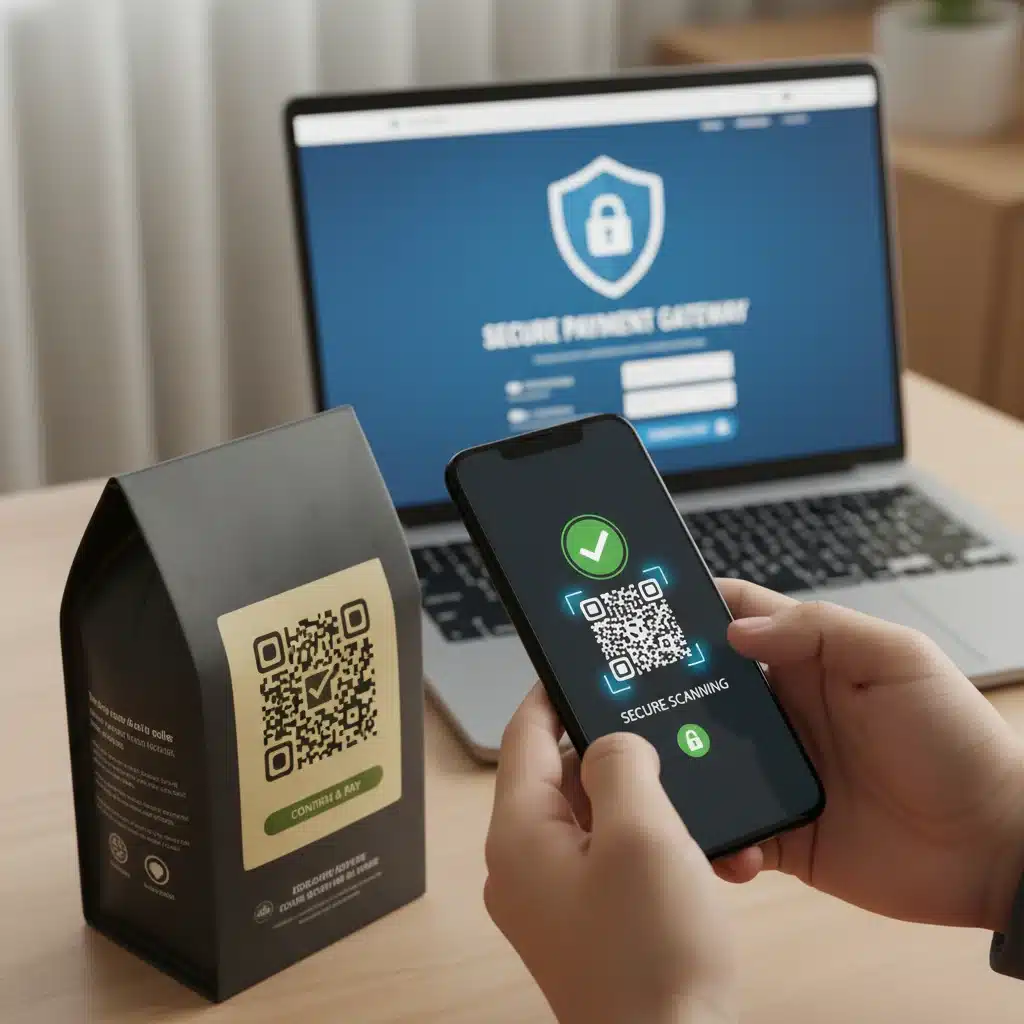
Standard Options: Reputable businesses use secure, well-known payment gateways (e.g., credit cards, PayPal, Apple Pay, Google Pay). They will never ask for payment via wire transfers, gift cards, cryptocurrency, or unconventional apps for a standard promotional purchase. These are untraceable and a favorite of scammers.
HTTPS Protocol: When making an online purchase, ensure the website URL begins with “https://” and displays a padlock icon in your browser’s address bar. This indicates a secure connection, though it doesn’t guarantee the site itself is legitimate.
5. Professional Communication and Design
Grammar and Spelling: Legitimate companies invest in professional communication. Emails, websites, and advertisements riddled with typos, grammatical errors, or awkward phrasing are strong indicators of a scam.
Branding: Look for consistent branding – correct logos, brand colors, and overall design that matches the official company’s aesthetic. Scammers often use low-resolution images or slightly altered logos.
6. No Requests for Sensitive Personal Information Unrelated to the Purchase
Data Minimization: A legitimate offer will only ask for information necessary to complete the transaction (name, shipping address, payment details). Be extremely cautious if an offer asks for your Social Security Number, bank account passwords, or other highly sensitive data that isn’t directly relevant to the purchase or service.
Spotting the Scams: Red Flags to Watch Out For
Now that we’ve covered the hallmarks of legitimate promotional offers, let’s turn our attention to the warning signs of scams. Scammers are constantly evolving their tactics, but certain patterns remain consistent.
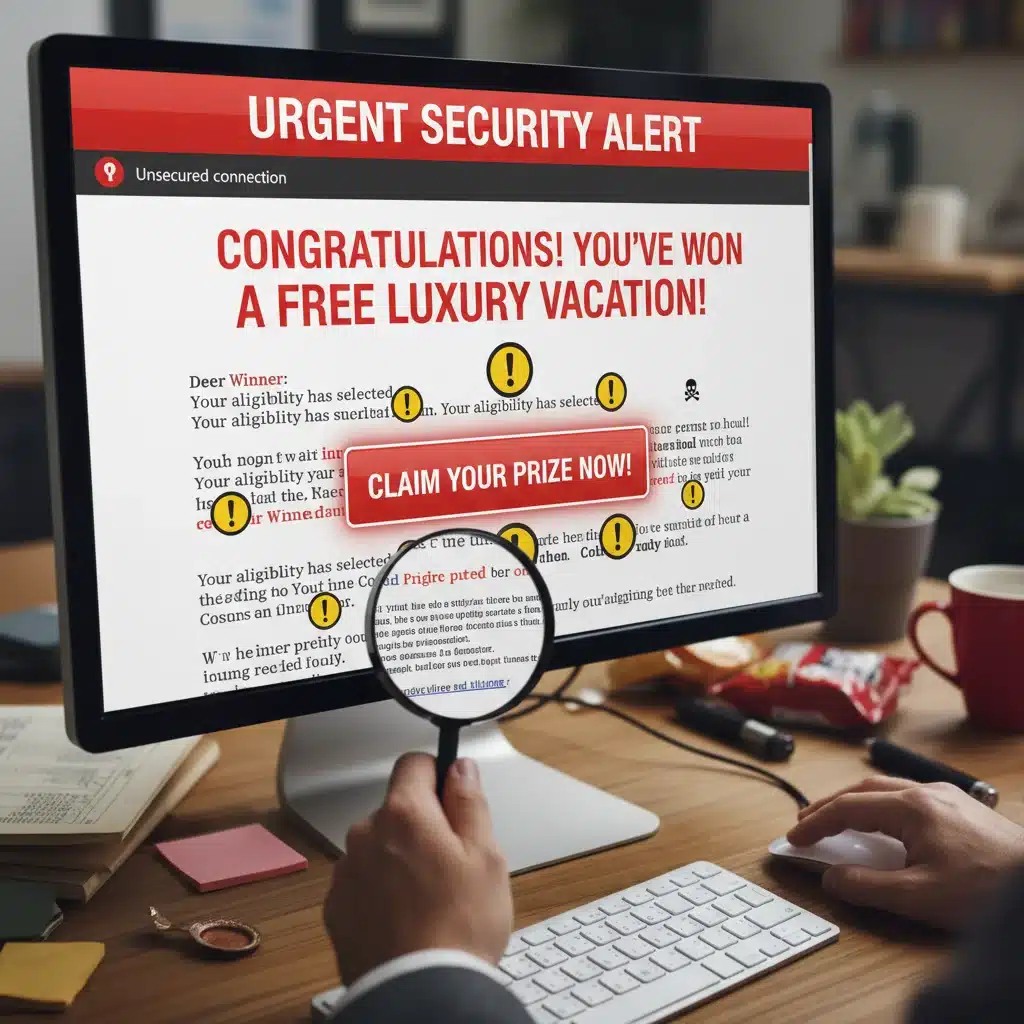
1. Unsolicited Communications and “Unexpected” Prizes
Emails/Texts from Unknown Senders: If you receive an email or text message about a fantastic deal, prize, or lottery you didn’t enter, it’s almost certainly a scam. Do not click on any links or reply.
Pop-ups and Redirects: Be wary of aggressive pop-up ads or automatic redirects to unfamiliar websites promising incredible deals. These often lead to malware or phishing sites.
2. Pressure Tactics and Urgency
“Act Now or Miss Out Forever”: While legitimate flash sales exist, scammers often use extreme pressure to prevent you from thinking critically. Phrases like “Offer expires in 5 minutes!” or “Last chance ever!” are designed to create panic and bypass rational judgment.
Limited Quantity Scams: “Only 1 left at this price!” can be legitimate, but scammers exaggerate this to push quick decisions on non-existent products.
3. Requests for Unusual Payment Methods
As mentioned, any request for payment via gift cards, wire transfers, cryptocurrency, or peer-to-peer payment apps (like Zelle or Cash App) for a commercial purchase is a massive red flag. These methods are irreversible and untraceable, making them ideal for fraudsters.
4. Suspicious Links and Downloads
Hover Before You Click: On a computer, hover your mouse over a link (without clicking) to see the actual URL in the bottom-left corner of your browser. If it doesn’t match the expected domain, do not click. On mobile, long-press the link to preview the URL.
Unsolicited Attachments: Never open attachments from unknown senders or suspicious emails, even if they claim to be invoices or shipping confirmations. They often contain malware.
5. Impersonation Scams
Scammers frequently impersonate well-known companies (Amazon, Apple, PayPal, your bank, utility companies), government agencies (IRS), or even charities. They create fake websites, emails, or call centers that look incredibly convincing. Always verify the sender by contacting the organization directly through their official contact information, not the one provided in the suspicious communication.
6. Requirement to Share Personal Information for “Verification”
Be skeptical of any offer that demands you provide excessive personal information – especially your Social Security Number, mother’s maiden name, or bank account details – simply to “verify” a prize or discount.
Advanced Strategies for Verifying Promotional Offers in 2026
Beyond the basic checks, here are more advanced tactics to ensure you’re dealing with legitimate promotional offers:
1. Utilize Official Brand Apps
Many major retailers have dedicated mobile apps. If you see an offer, check the official app. Legitimate deals are almost always mirrored there, providing a secure environment for browsing and purchasing.
2. Cross-Reference with Consumer Protection Agencies
The Federal Trade Commission (FTC) and the Better Business Bureau (BBB) are invaluable resources. Check their websites for known scams or reports against specific companies. A quick search can often reveal if a “too good to be true” offer is a recognized fraud.
3. Read Online Reviews and Forums
Before committing to a purchase from an unfamiliar vendor, search for reviews. Look for independent reviews on reputable sites, not just testimonials on the seller’s own page. Consumer forums can also provide real-world experiences and warnings about potential scams.
4. Use Virtual Credit Card Numbers
Many credit card companies offer virtual card numbers or one-time-use card numbers. These can add an extra layer of security, as they limit potential exposure if a fraudulent site compromises your payment details.
5. Verify “Free” Offers Carefully
Sometimes, “free” offers are legitimate lead generators, but other times they come with hidden subscriptions or excessive shipping fees. Always read the fine print. Look for automatic enrollment in recurring billing or demands for credit card information for a “free” item.
6. Secure Your Devices and Accounts
Strong, Unique Passwords: Use strong, unique passwords for all your online shopping accounts and email. A password manager can help.
Two-Factor Authentication (2FA): Enable 2FA wherever possible. This adds an extra layer of security by requiring a second verification step (like a code from your phone) in addition to your password.
Antivirus/Antimalware Software: Keep your devices protected with up-to-date security software to prevent phishing attempts and malware infections.
Case Studies: Learning from Past Scams (and Future Prevention)
Understanding real-world examples can solidify your ability to identify legitimate promotional offers. While specific scams evolve, the underlying tactics often remain the same.
Case Study 1: The “Mystery Shopper” or “Product Tester” Scam
The Offer: “Get paid to shop at your favorite stores! Become a mystery shopper and receive a generous payment plus funds to purchase products.”
The Scam: Victims receive a check, often for more than the agreed amount, with instructions to deposit it, keep a portion, and wire the rest to a “supplier” for products. The check is fraudulent, and by the time it bounces, the victim has already wired their own money to the scammer. Or, they are asked to buy gift cards and send the codes.
Lesson: Legitimate mystery shopping companies do not overpay or ask you to wire money. Never accept a check for more than the agreed amount and be asked to send the difference elsewhere.
Case Study 2: The “Unclaimed Prize/Lottery” Notification
The Offer: “Congratulations! You’ve won a substantial sum in our international lottery/sweepstakes! Just pay a small processing fee/tax to release your winnings.”
The Scam: There is no lottery or prize. The “fee” is pure profit for the scammer. They might also ask for personal banking details to “deposit” the winnings, leading to identity theft.
Lesson: You cannot win a lottery you didn’t enter. Legitimate lotteries do not ask for upfront fees to claim winnings. Any request for payment to receive a prize is a scam.
Case Study 3: The “Discounted Gift Card” Fraud
The Offer: Websites or social media ads selling popular brand gift cards at extreme discounts (e.g., $100 Amazon gift card for $50).
The Scam: The gift cards are often stolen, fake, or have zero balance. By the time you try to use them, the scammer is long gone, and you’ve lost your money.
Lesson: Only purchase gift cards from official retailers or highly reputable, verified third-party sellers. Extreme discounts on gift cards are a major red flag.
What to Do If You Suspect a Scam or Fall Victim
Even with the best precautions, scams can be incredibly convincing. If you suspect an offer is fraudulent or believe you’ve fallen victim:
1. Stop All Communication
Immediately cease all contact with the suspected scammer. Do not click on any links, reply to emails, or answer calls.
2. Document Everything
Keep records of all communications (emails, text messages, website screenshots, transaction details). This information will be crucial for reporting.
3. Contact Your Bank/Credit Card Company Immediately
If you made a payment, contact your financial institution to report the fraudulent charge and explore options for chargebacks or freezing your account.
4. Report the Scam
Reporting helps protect others. Here’s who to contact in the U.S.:
- Federal Trade Commission (FTC): File a report at reportfraud.ftc.gov.
- Better Business Bureau (BBB): Report scams at bbb.org/scamtracker.
- Internet Crime Complaint Center (IC3): For online scams, report to the FBI’s IC3 at ic3.gov.
- Your State Attorney General: They may have a consumer protection division.
- Social Media Platforms: If the scam originated on a platform like Facebook or Instagram, report the post or profile.
5. Protect Your Identity
If you shared personal information, consider placing a fraud alert on your credit reports with the three major credit bureaus (Equifax, Experian, TransUnion). Monitor your financial statements and credit reports for suspicious activity.
Conclusion: Shop Smart, Stay Safe in 2026
The digital age, while offering unparalleled convenience and access to a world of products, also demands a heightened sense of awareness from consumers. Identifying legitimate promotional offers in 2026 is an essential skill that combines vigilance, critical thinking, and a healthy dose of skepticism. By consistently checking for reputable sources, realistic pricing, clear terms, and secure payment methods, you can confidently navigate the vast array of discounts and deals available.
Remember the golden rule: if an offer seems too good to be true, it probably is. Empower yourself with knowledge, stay informed about the latest scam tactics, and always prioritize your financial security and personal data. Happy and safe shopping!