Mastering Price Comparison Tools: Essential Strategies for U.S. Shoppers 2026

Mastering Price Comparison Tools: Essential Strategies for U.S. Shoppers in 2026
In the dynamic landscape of modern commerce, where every dollar counts and choices abound, the ability to find the best deals is no longer a luxury but a necessity. For U.S. shoppers in 2026, navigating the vast ocean of online and brick-and-mortar retailers without a solid strategy is akin to sailing without a compass. This is where price comparison tools become indispensable allies. These sophisticated digital assistants empower consumers to make informed decisions, ensuring they get the most value for their hard-earned money. From electronics to everyday groceries, travel to fashion, understanding and effectively utilizing these tools can revolutionize your shopping experience.
The evolution of e-commerce has brought with it an unprecedented level of competition among retailers. While this competition often translates to better prices for consumers, the sheer volume of options can be overwhelming. Manually checking multiple websites for the same product is not only time-consuming but often impractical. This is precisely the problem that price comparison tools are designed to solve. They aggregate data from thousands of retailers, presenting you with a comprehensive overview of prices, shipping costs, and availability, all in one convenient location.
As we delve deeper into 2026, the technology behind these tools continues to advance, offering more personalized recommendations, real-time price drops, and even predictive analytics to help you decide when to buy. This article will explore three essential strategies for mastering price comparison tools, equipping you with the knowledge to shop smarter, save more, and truly take control of your purchasing power. Whether you’re a seasoned bargain hunter or new to the world of digital savings, these insights will prove invaluable.
Understanding the Landscape: Types of Price Comparison Tools
Before diving into specific strategies, it’s crucial to understand the diverse ecosystem of price comparison tools available. Not all tools are created equal, and each has its strengths and ideal use cases. Familiarizing yourself with these different types will help you select the most appropriate tool for your specific shopping needs.
Dedicated Price Comparison Websites
These are perhaps the most traditional form of price comparison tools. Websites like Google Shopping, PriceGrabber, and Shopzilla scour the internet for product prices from a wide array of retailers. They typically offer filters for brand, features, seller ratings, and shipping options, allowing you to narrow down your search and find the best overall deal. Their comprehensive databases make them excellent starting points for significant purchases like electronics, appliances, and furniture.
Browser Extensions and Plugins
For a more seamless shopping experience, browser extensions are a game-changer. Tools like Honey, Capital One Shopping, and InvisibleHand automatically pop up when you’re viewing a product on a retailer’s website, instantly showing you if a better price is available elsewhere. Some even apply coupon codes at checkout, maximizing your savings without any extra effort. These are particularly useful for everyday online shopping, as they integrate directly into your browsing flow, making price comparison an almost passive activity.
Mobile Apps
With the proliferation of smartphones, dedicated mobile apps for price comparison have become incredibly popular. Many of the major price comparison websites also offer mobile versions, often with added features like barcode scanning for in-store price checks. Apps like Amazon Shopping (with its built-in scanner), BuyVia, and ShopSavvy allow you to compare prices on the go, making them invaluable companions for both online and physical store shopping. They are especially useful for spontaneous purchases or when you need to quickly verify a price while out and about.
Specialized Comparison Sites
Beyond general product comparisons, there are numerous specialized price comparison tools catering to specific categories. For travel, sites like Skyscanner, Kayak, and Google Flights are essential for finding the best deals on flights, hotels, and rental cars. For groceries, apps like Flipp or Basket help you compare prices across local supermarkets and find weekly deals. Even for niche markets, you’ll often find dedicated tools that provide more accurate and relevant comparisons than general platforms. Understanding these specialized options can lead to significant savings in particular areas of your spending.
Strategy 1: Leveraging Real-time Data and Price Alerts
One of the most powerful aspects of modern price comparison tools is their ability to provide real-time data and notify you of price changes. This strategy involves actively using these features to ensure you never miss a deal and purchase at the optimal moment.
Setting Up Price Drop Alerts
Many price comparison tools allow you to set up alerts for specific products. Once you’ve identified an item you want to buy, you can often input your desired price, and the tool will notify you via email or push notification if the price drops to or below that threshold. This is particularly effective for non-urgent purchases, such as electronics, home appliances, or seasonal clothing, where waiting a few days or weeks can result in significant savings. Tools like CamelCamelCamel (for Amazon products), Honey, and Google Shopping all offer robust price drop alerts features. By setting these alerts, you transform from a reactive shopper to a proactive one, letting the tools do the heavy lifting of price monitoring.
Consider a scenario where you’re eyeing a new smart TV. Instead of constantly checking various retailer websites, you can set a price alert for your desired model. If the price drops by 15% during a flash sale, you’ll receive an immediate notification, allowing you to capitalize on the deal before it expires. This passive yet highly effective approach ensures you’re always aware of opportunities to save without dedicating excessive time to the search.
Utilizing Historical Price Data
Beyond real-time alerts, some advanced price comparison tools offer historical price charts. These charts allow you to see how the price of a product has fluctuated over time, providing valuable insights into typical pricing cycles and potential sales patterns. For instance, if a product consistently drops in price around certain holidays or seasons, its historical data can help you predict the best time to buy. This feature is invaluable for understanding whether a current ‘sale’ price is genuinely low or simply a minor fluctuation.
For example, if you’re planning to buy a new laptop, checking its 12-month price history might reveal that it typically goes on sale during back-to-school season or Black Friday. Armed with this knowledge, you can decide whether to buy now or hold out for a potentially better deal. Tools like Keepa (another Amazon-focused tool) excel at providing detailed historical price data, including third-party seller prices and warehouse deals, giving you an unparalleled view of an item’s pricing trajectory.
Combining Alerts with Predictive Analytics
The next frontier in price comparison tools involves predictive analytics. While still evolving, some platforms are beginning to use AI to forecast future price movements. This means they can not only tell you the current best price but also suggest whether it’s advisable to buy now or wait for a predicted price drop. This level of insight takes the guesswork out of timing your purchases, offering an even greater advantage to the savvy shopper.
Imagine a tool that, based on historical trends, current demand, and inventory levels, advises you that a particular smartphone model is likely to see a 10% price reduction in the next three weeks. Such a feature transforms price comparison from a reactive search into a strategic investment. While not universally available for all products or tools yet, keeping an eye on these emerging capabilities will be crucial for U.S. shoppers in 2026.
Strategy 2: Beyond Price – Evaluating Total Value and Seller Reputation
While finding the lowest price is often the primary goal, a truly intelligent shopping strategy goes beyond just the sticker price. The total value of a purchase encompasses factors like shipping costs, warranty, return policies, and crucially, the seller’s reputation. Effective use of price comparison tools means looking at the bigger picture.
Factoring in Shipping Costs and Taxes
A common pitfall for shoppers is getting excited about a low product price only to be hit with exorbitant shipping fees or unexpected taxes at checkout. Many price comparison tools now integrate shipping costs into their comparisons, providing a ‘total cost’ figure. Always ensure that the tool you’re using accounts for these additional charges, especially for larger items or purchases from international sellers. Some tools even allow you to specify your location to calculate accurate sales tax.
For instance, an item listed at $95 from one retailer might seem cheaper than $100 from another. However, if the $95 item has $15 shipping and the $100 item offers free shipping, the latter is clearly the better deal. The best price comparison tools will present these final costs transparently, preventing any unwelcome surprises.
Assessing Seller Ratings and Reviews
A rock-bottom price from an unknown or poorly-rated seller might not be a bargain at all if it leads to poor customer service, a faulty product, or difficulty with returns. Reputable price comparison tools often integrate seller ratings and customer reviews directly into their results. Pay close attention to these metrics. A slightly higher price from a highly-rated, trusted retailer can often be a wiser choice in the long run, offering peace of mind and better post-purchase support.
Look for indicators like star ratings, the number of reviews, and specific comments regarding shipping speed, product accuracy, and customer service. A seller with a 4.5-star rating across thousands of reviews is generally a safer bet than one with a 3-star rating from only a handful of customers, regardless of the price difference. This critical assessment helps you avoid scams and ensures a satisfactory shopping experience.

Understanding Warranty and Return Policies
Different retailers offer varying warranty periods and return policies, which can significantly impact the overall value of your purchase. A product with a 30-day return window and a manufacturer’s warranty might be preferable to one with a strict ‘all sales final’ policy, even if the latter is slightly cheaper. Some price comparison tools might not explicitly highlight these details, requiring you to click through to the retailer’s site to verify. Make this an essential step in your comparison process, especially for high-value items.
For electronics, understanding the warranty coverage is paramount. A great deal on a camera might lose its luster if it comes with a limited 90-day warranty from an unauthorized seller, compared to a full year’s warranty from an authorized dealer. Always cross-reference the warranty and return policy with the perceived savings to ensure you’re making a truly smart purchase.
Considering Payment Options and Rewards
The method of payment can also influence the total value. Some retailers offer discounts for specific payment methods, or you might earn extra rewards points with certain credit cards. While not directly a function of price comparison tools, integrating this into your decision-making process can add another layer of savings. For example, if one retailer offers 5% cashback through a specific payment portal, that effectively lowers the price further than what the comparison tool might initially show.
Strategy 3: Optimizing for Specific Shopping Categories and Seasonal Sales
The effectiveness of price comparison tools can be significantly enhanced by tailoring your approach to specific shopping categories and timing your purchases with seasonal sales. Different products behave differently in the market, and understanding these nuances can lead to substantial savings.
Electronics and Appliances: The Long Game
For high-ticket items like electronics and large appliances, patience is a virtue. These categories often see significant price drops during major sales events (Black Friday, Cyber Monday, Amazon Prime Day, Labor Day, Memorial Day, etc.) and when new models are released. Using price comparison tools with historical data and price alerts (as discussed in Strategy 1) is crucial here. Set alerts well in advance of your intended purchase, and monitor trends to predict the lowest possible price.
Furthermore, consider refurbished options. Many reputable retailers offer certified refurbished electronics at a fraction of the cost of new items, often with similar warranties. Price comparison tools can help you find and compare these refurbished deals across various sellers, presenting another avenue for significant savings.
Groceries and Everyday Essentials: Local and Frequent
Saving on groceries requires a more localized and frequent approach. Generic price comparison tools might not be as effective here. Instead, focus on specialized grocery comparison apps and websites that aggregate weekly flyers and deals from local supermarkets. Tools like Flipp, Basket, or even the individual apps of major grocery chains (e.g., Kroger, Walmart, Target) are invaluable. They allow you to compare unit prices, find digital coupons, and plan your shopping list around the best current deals.
The key here is consistency. Make it a habit to check these tools before each grocery run. Small savings on everyday items accumulate quickly, leading to substantial annual savings. Don’t forget to factor in store-brand alternatives, which are often listed and compared by these specialized tools.
Travel: Dynamic Pricing and Flexibility
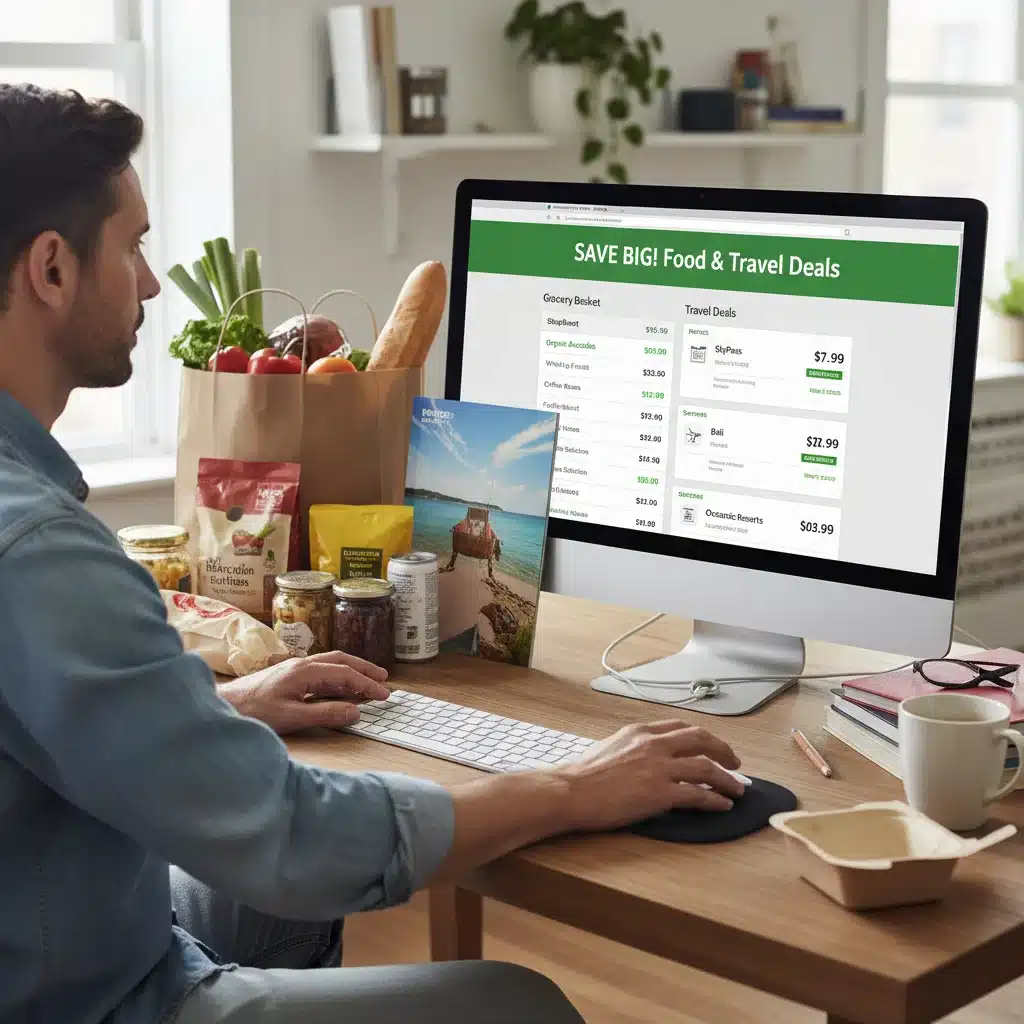
Travel prices (flights, hotels, rental cars) are notoriously dynamic, changing based on demand, time of booking, and even your browsing history. Price comparison tools like Google Flights, Skyscanner, Kayak, and Expedia are indispensable. The strategy here involves flexibility and vigilance.
- Be Flexible with Dates: Many tools show you how prices change if you shift your travel dates by a day or two. Being able to depart or return on a Tuesday instead of a Friday can lead to hundreds of dollars in savings.
- Consider Nearby Airports: For flights, comparison sites can often show you prices from alternative airports within a reasonable distance, which might be significantly cheaper.
- Set Price Alerts: Due to dynamic pricing, setting price alerts for your desired routes and accommodations is critical. You’ll be notified when prices drop, allowing you to book at the optimal time.
- Incognito Mode: Some travel sites use cookies to track your interest and potentially increase prices. Using incognito or private browsing mode when searching for travel can sometimes yield better results.
Fashion and Apparel: Seasonal Clearance and Discount Codes
For fashion, price comparison tools are effective alongside a keen eye for seasonal clearance sales and discount codes. Tools like Honey or Capital One Shopping excel at automatically finding and applying coupon codes at checkout, which can often be stacked with sale prices. Many fashion retailers also have outlet sections or dedicated sale pages that comparison tools can sometimes link to directly.
Timing your purchases around end-of-season sales (e.g., summer clearance in late summer, winter clearance post-holidays) can yield massive discounts. Use price tracking features to monitor items you’re interested in and wait for them to hit their lowest points during these clearance events.
Challenges and Limitations of Price Comparison Tools
While incredibly powerful, it’s also important for U.S. shoppers in 2026 to be aware of the limitations and potential challenges when using price comparison tools. No tool is perfect, and understanding their shortcomings will help you use them more effectively and avoid potential frustrations.
Incomplete Data Coverage
Not all retailers are included in every price comparison tool. Smaller, independent online stores, or highly specialized retailers, might not be indexed by the major platforms. This means that while you might find the best price among the listed retailers, there could still be a better deal out there from a store not covered by your chosen tool. It’s often wise to cross-reference with a quick direct search for niche products.
Timing and Data Lag
While many tools boast real-time data, there can sometimes be a slight lag between a retailer updating its price and the comparison tool reflecting that change. This is usually minimal but can occasionally lead to situations where a listed price is no longer accurate when you click through to the retailer’s site. Always verify the price directly on the retailer’s website before making a purchase.
Focus on Price Over Value
As mentioned in Strategy 2, some tools primarily focus on the lowest price without adequately factoring in shipping costs, taxes, seller reputation, or return policies. Relying solely on the lowest number can lead to a less than ideal shopping experience. Always perform your due diligence on the seller and the total cost before committing.
Algorithm Bias and Sponsored Listings
Some comparison tools, particularly those with affiliate partnerships, might give preferential placement to certain retailers or products. While usually disclosed, it’s worth being aware that the ‘best’ deal presented might sometimes be influenced by these relationships rather than pure price. Diversifying the tools you use can help mitigate this.
Privacy Concerns
Many browser extensions and apps require access to your browsing data to function effectively. While reputable tools generally adhere to strict privacy policies, it’s important to be mindful of the data you’re sharing. Review privacy policies and choose tools from trusted developers.
The Future of Price Comparison for U.S. Shoppers
As we look beyond 2026, the landscape of price comparison tools is set to evolve even further. We can anticipate even greater integration with AI, leading to more personalized shopping assistants that understand your preferences, predict your needs, and proactively find deals tailored to you. Voice-activated shopping, smart home device integration, and augmented reality (AR) features that allow you to ‘try on’ clothes or ‘place’ furniture in your home before buying, while simultaneously comparing prices, are all on the horizon.
The emphasis will increasingly shift from simply finding the lowest price to optimizing for overall value, convenience, and ethical considerations (e.g., sustainable products, fair trade). Shoppers will have even more power at their fingertips, making the mastery of these evolving tools a continuous journey. Staying informed about new technologies and adapting your strategies will be key to remaining a savvy consumer in the years to come.
Conclusion: Empowering Your Shopping Journey in 2026 and Beyond
For U.S. shoppers in 2026, mastering price comparison tools is not just about saving a few dollars; it’s about empowering yourself as a consumer. It’s about making informed decisions, preventing buyer’s remorse, and ultimately, getting the most out of your financial resources. By understanding the different types of tools, leveraging real-time data and price alerts, evaluating total value beyond just the sticker price, and optimizing strategies for specific categories and sales, you can transform your shopping habits.
The digital marketplace offers unparalleled opportunities for savings, but it also presents complexities. With the strategies outlined in this article, you are well-equipped to navigate these complexities with confidence. Embrace these tools, integrate them into your shopping routine, and watch your savings grow. The era of smart shopping is here, and with the right approach to price comparison tools, you are at the forefront of this revolution.
Happy shopping, and may your savings be abundant!