2026 Fashion Authenticity: The Ultimate Online Deal Verification Checklist
In the dynamic world of online fashion, the thrill of finding an exceptional deal can sometimes overshadow the critical need for authenticity verification. As we step into 2026, the landscape of e-commerce is more sophisticated than ever, offering unprecedented access to global fashion markets. However, with this accessibility comes an increased risk of encountering counterfeit goods. The market for fake luxury items is booming, making it imperative for savvy shoppers to equip themselves with the knowledge and tools to ensure they are investing in genuine articles. This comprehensive guide, your ultimate 2026 checklist, is designed to empower you to navigate the complexities of online fashion authenticity, safeguarding your purchases and enhancing your shopping experience.
The Evolving Challenge of Online Fashion Authenticity in 2026
The digital age has transformed how we shop for fashion, from high-street brands to haute couture. Online platforms offer convenience, variety, and often, competitive pricing. Yet, the anonymity of the internet also provides a fertile ground for counterfeiters. These illicit operations are becoming increasingly sophisticated, producing replicas that are remarkably difficult to distinguish from originals. For consumers, the stakes are high: purchasing a fake not only means wasting money but also inadvertently supporting unethical labor practices and intellectual property theft. Understanding the nuances of online fashion authenticity is no longer a luxury but a necessity for any discerning shopper.
Why Authenticity Matters More Than Ever
Beyond the financial loss, buying counterfeit fashion carries several significant implications. Firstly, it erodes trust in the brands you love and the platforms you shop from. Secondly, it often involves products made with inferior materials and craftsmanship, lacking the quality and durability expected from genuine items. Thirdly, the proceeds from counterfeit sales are frequently linked to organized crime, funding illegal activities that extend far beyond fashion. Lastly, the environmental and social impact of the counterfeit industry is devastating, with unregulated production processes and exploitative labor conditions. Therefore, prioritizing online fashion authenticity is a conscious choice that benefits not only your wardrobe but also the wider community and environment.
Phase 1: Pre-Purchase Due Diligence – Research and Reputation
The journey to verifying online fashion authenticity begins long before you click ‘add to cart.’ Thorough research and an understanding of seller reputation are your first lines of defense against counterfeits.
1. Scrutinize the Seller or Platform
The first and most crucial step is to evaluate where you are buying from. Is it an authorized retailer, a reputable consignment store, a well-known luxury marketplace, or an individual seller on a social media platform? Each comes with its own set of risks and verification requirements.
- Authorized Retailers: Always the safest bet. Check the brand’s official website for a list of authorized online retailers.
- Established Luxury Marketplaces: Platforms like Vestiaire Collective, The RealReal, and Fashionphile have their own rigorous authentication processes. While not foolproof, they offer a significantly higher level of security than unverified sellers. Familiarize yourself with their specific authenticity guarantees and return policies.
- Independent Boutiques and Consignment Shops: Research their physical presence, customer reviews, and how long they’ve been in business. Look for transparency in their sourcing and authentication methods.
- Social Media and Peer-to-Peer Platforms: Exercise extreme caution. These are high-risk environments. Always prioritize sellers with extensive positive reviews, clear communication, and a history of selling authentic items.
2. Read Reviews and Seek Testimonials
Customer reviews are invaluable. Look beyond the star ratings. Read detailed feedback, especially those mentioning authenticity, shipping, and customer service. Be wary of sellers with only generic, overly positive reviews or a sudden influx of new reviews. External review sites (e.g., Trustpilot) can also provide unbiased insights into a seller’s reputation.
3. Understand Pricing and Deals
While everyone loves a good deal, prices that seem too good to be true often are. Authentic luxury items rarely come with drastic discounts, especially on new or highly sought-after pieces. If a designer handbag that typically retails for $3,000 is being offered for $300, it’s a massive red flag. Understand the typical price range for the item you’re interested in. Compare prices across multiple reputable sources.
4. Check Website Security and Professionalism
For independent websites, ensure they use ‘HTTPS’ in their URL, indicating a secure connection. A professional website should have clear contact information, a comprehensive ‘About Us’ section, and detailed terms and conditions, including return and authenticity policies. Poor grammar, spelling errors, low-resolution images, and a lack of contact details are all warning signs.
Phase 2: In-Depth Product Examination – The Visual and Tangible Clues
Once you’ve identified a potential item, a meticulous examination of the product itself, through images and descriptions, is paramount. This is where your detective skills come into play to assess online fashion authenticity.
1. High-Quality Images are Non-Negotiable
Authentic sellers will provide numerous high-resolution images from various angles: front, back, sides, bottom, interior, hardware, tags, and close-ups of specific details. Blurry, low-quality, or stock photos are major red flags. If a seller only provides a few images, request more. A legitimate seller will be happy to oblige.
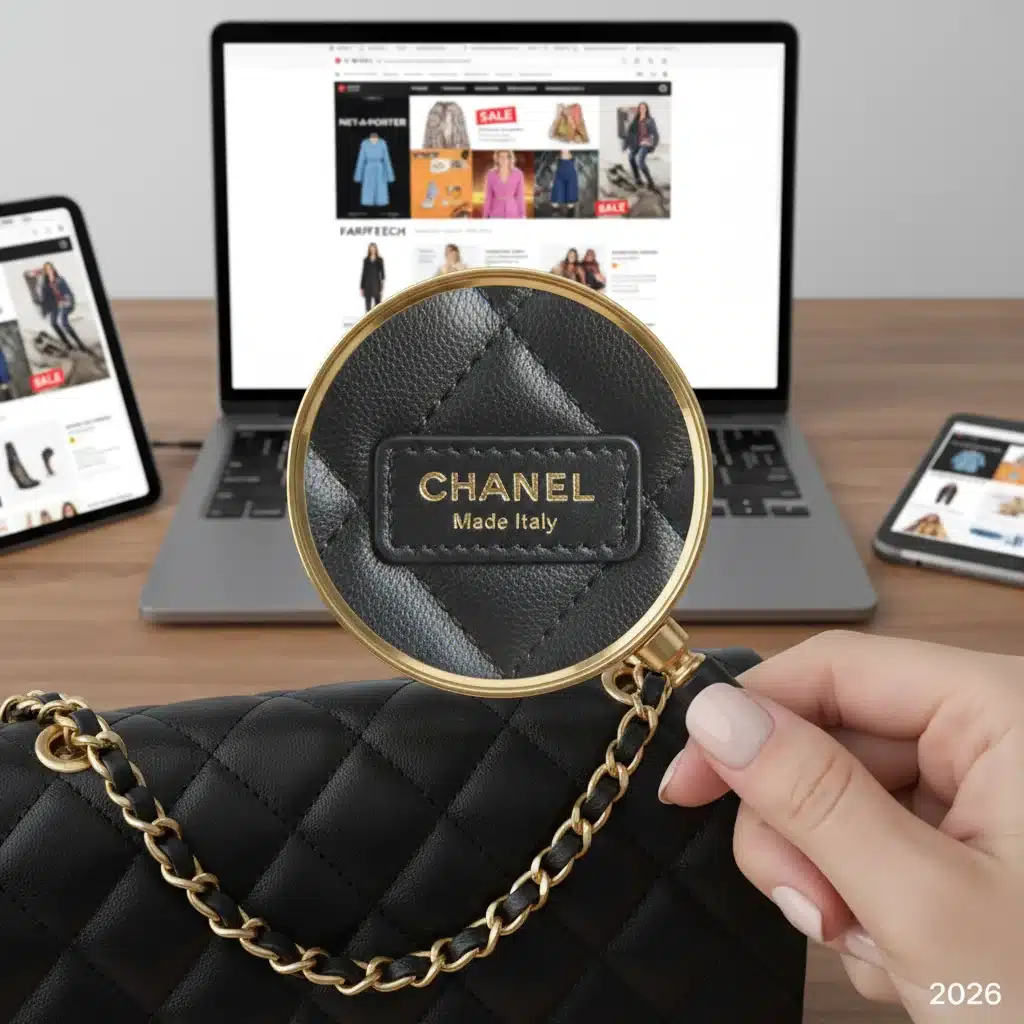
2. Examine the Details: Stitching, Hardware, and Materials
Counterfeiters often struggle to replicate the intricate details of genuine luxury items. This is where your knowledge of the brand’s craftsmanship becomes crucial.
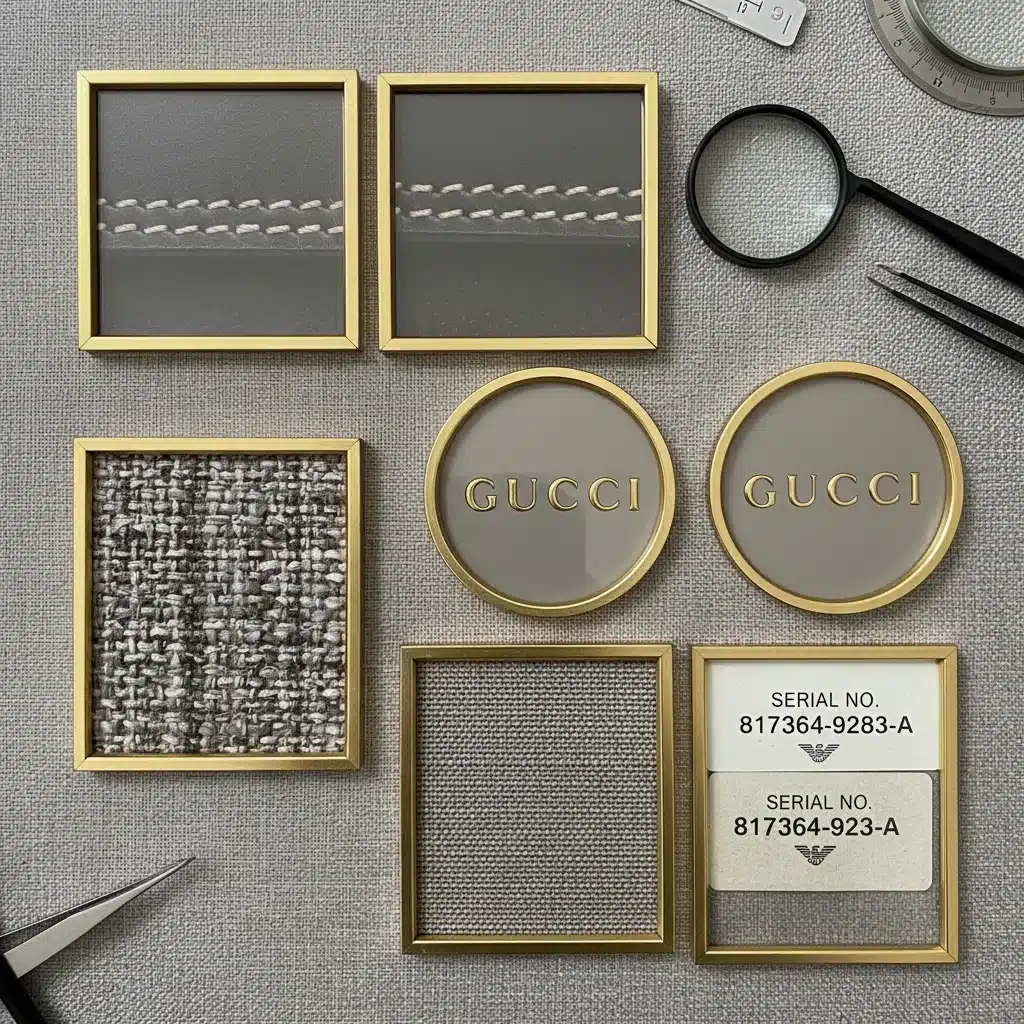
- Stitching: Authentic designer items feature precise, even, and consistent stitching. There should be no loose threads, uneven lines, or sloppy finishes. The stitch count per inch is often a subtle indicator.
- Hardware: Zippers, buckles, clasps, and logos should be high-quality, substantial, and often engraved with the brand’s name. They should feel heavy and operate smoothly. Counterfeit hardware often feels light, cheap, and might have a tarnished or uneven finish.
- Materials: Familiarize yourself with the specific materials used by the brand (e.g., specific leathers, fabrics). Genuine leather will have a distinct smell and feel, often developing a patina over time. Fakes often use synthetic materials that feel rigid, plastic-y, or have an unnatural sheen.
- Logos and Brand Markings: Compare the logo font, spacing, and size to official brand images. Any discrepancies, however minor, can indicate a fake.
3. Inspect Interior and Linings
The interior of a luxury item is just as important as the exterior. Authentic bags and garments will have high-quality linings, often made from specific materials like silk, suede, or branded canvas. Check for neat seams, proper branding on interior tags, and functional pockets. Counterfeits often cut corners here, using cheaper, ill-fitting, or unbranded linings.
4. Authenticity Tags, Serial Numbers, and Date Codes
Most luxury brands incorporate various authentication elements:
- Serial Numbers/Date Codes: Many brands use unique serial numbers or date codes that can be cross-referenced. Research where these are typically located for the specific item and brand you’re interested in. Be aware that counterfeiters can also replicate these, so cross-verification is key.
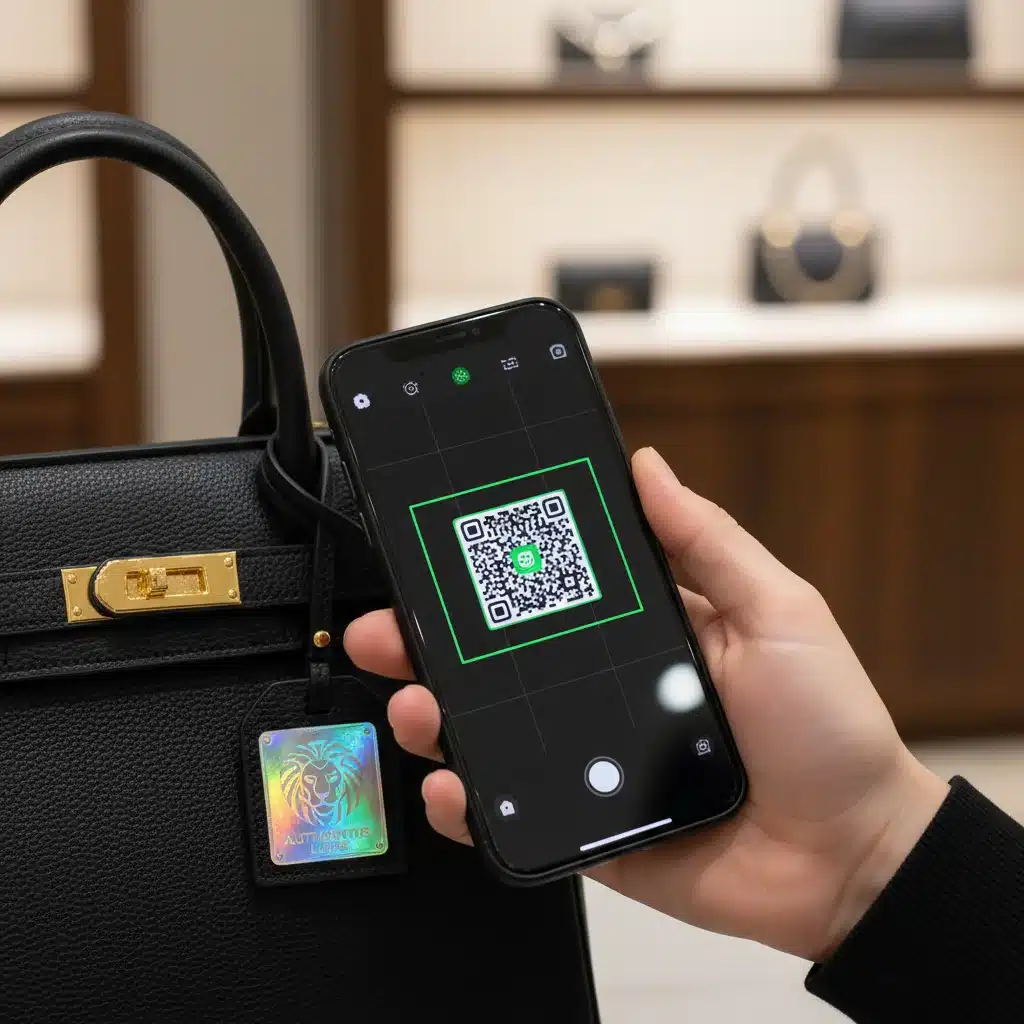
- Authenticity Cards/Certificates: While these can be faked, genuine cards often have specific fonts, paper quality, and sometimes holographic elements. Never rely solely on an authenticity card; it should always be part of a broader verification process.
- Holograms and Microprinting: Some brands use advanced security features like holograms, microprinting, or even RFID tags embedded within the product. Research if the brand you’re buying has these features for the specific item and model year.
Phase 3: Post-Purchase Verification – The Final Checks
Even after making a purchase, your vigilance should continue. Once the item arrives, a final, hands-on inspection is crucial for online fashion authenticity.
1. Compare with Official Brand Information
With the item in hand, compare every detail against official product images and specifications from the brand’s website. Pay attention to dimensions, color variations, material composition, and the placement of hardware and logos. Even slight differences can be telling.
2. Feel and Smell the Item
Tactile and olfactory senses are powerful tools. Genuine luxury materials, especially leather, have a distinct feel and smell. Counterfeits often have a chemical odor from cheap glues or synthetic materials. Feel the weight, texture, and flexibility of the item. Does it match your expectations for a high-quality product?
3. Seek Expert Authentication Services
For high-value items, consider investing in third-party authentication services. Companies like Entrupy, Real Authentication, and Authenticate First specialize in verifying luxury goods. They use a combination of expert knowledge, microscopic analysis, and AI technology to provide a definitive verdict on an item’s authenticity. This small investment can save you from a costly mistake.
4. Understand Return Policies and Buyer Protection
Before purchasing, always review the seller’s return policy. Ensure you have a clear understanding of the process if the item turns out to be a fake. Reputable platforms often offer buyer protection programs that cover counterfeit items. Be aware of the timeframes for reporting issues.
Phase 4: Leveraging Technology for Online Fashion Authenticity in 2026
As technology advances, so do the tools available to combat counterfeiting. In 2026, several tech-driven solutions are becoming increasingly prevalent.
1. Blockchain Technology
Some luxury brands are beginning to use blockchain to create immutable digital certificates of authenticity for their products. This allows consumers to trace the item’s journey from manufacturing to purchase, ensuring its provenance. Look for brands that offer this feature and understand how to access the blockchain data.
2. NFC and RFID Tags
Near Field Communication (NFC) and Radio-Frequency Identification (RFID) tags are tiny chips embedded in products that can be scanned with a smartphone. These tags can link to digital authenticity certificates or provide product information, making it harder for counterfeiters to replicate. Expect to see more brands adopting these technologies.
3. AI-Powered Authentication Apps
A new generation of AI-powered apps is emerging, allowing users to upload photos of an item for an initial authenticity assessment. While not a substitute for human expert authentication, these apps can be a useful first filter, flagging obvious fakes or providing a preliminary indication of authenticity.
Common Red Flags to Watch Out For
Beyond the detailed checks, several overarching red flags should immediately raise suspicion:
- Inconsistent Messaging: If the seller’s description, communication, or website contradict themselves.
- Pressure Tactics: Sellers who rush you into a purchase or offer deals that expire too quickly.
- Poor Communication: Unresponsive sellers, evasive answers, or refusal to provide additional information or photos.
- Only Accepting Untraceable Payment Methods: Be wary of sellers who only accept wire transfers, gift cards, or other payment methods that offer no buyer protection.
- Lack of Return Policy: A legitimate seller will always have a clear return policy.
- Brand New Items with No Tags/Packaging: While not always a fake, it’s suspicious for a brand new luxury item to lack original packaging or tags.
What to Do If You Suspect You’ve Bought a Fake
Discovering you’ve purchased a counterfeit item can be disheartening, but you do have recourse:
- Contact the Seller Immediately: Inform them of your concerns and request a refund. Provide evidence (photos, comparison points).
- Utilize Platform Buyer Protection: If purchased through a marketplace (eBay, PayPal, etc.), open a dispute immediately. Most platforms have policies against selling counterfeits.
- Contact Your Bank/Credit Card Company: If other avenues fail, initiate a chargeback with your bank or credit card company, providing all documentation.
- Report the Seller: Report the seller to the platform they are using, and consider reporting them to relevant consumer protection agencies or intellectual property rights organizations.
- Never Resell a Counterfeit as Authentic: This is illegal and unethical.
The Future of Online Fashion Authenticity
As we move further into 2026, the battle against counterfeits will continue to evolve. Brands are investing heavily in anti-counterfeiting technologies, and consumers are becoming more educated. The key to staying ahead is continuous learning and vigilance. By applying this ultimate checklist for online fashion authenticity, you not only protect your investments but also contribute to a more ethical and transparent fashion industry.
Empowering Your Shopping Decisions
Shopping for luxury and designer fashion online should be an exciting and rewarding experience, not a gamble. With the tools and knowledge provided in this 2026 checklist, you are now better equipped to make informed decisions, identify genuine items, and confidently secure authentic online fashion deals. Remember, patience and meticulous attention to detail are your best allies in the quest for genuine style. Stay informed, stay vigilant, and enjoy the true luxury of authenticity.
The Role of Community and Shared Knowledge
Beyond individual efforts, the fashion community plays a vital role in combating counterfeits. Sharing experiences, tips, and identifying suspicious sellers can create a stronger defense against fraudulent activity. Forums, social media groups dedicated to authenticity checks, and expert blogs can be valuable resources. By collectively raising awareness and educating fellow shoppers on the nuances of online fashion authenticity, we can build a more secure and trustworthy online shopping environment for everyone.
Ultimately, the power to verify online fashion authenticity rests with the consumer. Your informed choices not only protect your wallet but also uphold the integrity of the fashion industry. Embrace this checklist, hone your detective skills, and shop with confidence in 2026 and beyond.