
The 2026 Guide to Utilizing Store Credit Cards: Are the Rewards Worth the 18% APR?
In the dynamic landscape of consumer finance, store credit cards continue to be a pervasive presence, tempting shoppers with immediate discounts, exclusive offers, and loyalty programs. As we navigate 2026, the allure of these cards remains strong, particularly for frequent shoppers at specific retailers. However, beneath the shiny façade of rewards often lies a significant caveat: high Annual Percentage Rates (APRs) that can quickly erode any perceived savings. This comprehensive guide aims to dissect the intricacies of store credit cards, helping you understand when they might be a smart financial tool and when they could lead to unexpected debt.
The decision to open a new credit line, especially one tied to a single retailer, requires careful consideration. While the immediate gratification of a 10% off sign-up bonus or exclusive access to sales can be enticing, the long-term implications, particularly concerning interest accrual, cannot be overlooked. This article will delve into the mechanisms of store credit cards, explore the typical rewards structures, shed light on the often-lofty APRs, and provide a framework for determining their value in your personal financial strategy.
Understanding Store Credit Cards: More Than Just a Discount
At their core, store credit cards are a form of revolving credit offered by retailers, often in partnership with a financial institution. Unlike general-purpose credit cards that can be used anywhere, store cards are typically restricted to purchases within that specific brand or its affiliated stores. This limitation is a key differentiator and often contributes to their higher APRs, as the issuing bank faces a more concentrated risk profile.
The Appeal of Instant Gratification
The primary draw of many store credit cards is the immediate incentive. Think of the ubiquitous ‘15% off your first purchase’ or ‘earn double points today only.’ These offers are designed to encourage on-the-spot sign-ups, capitalizing on the consumer’s desire for a good deal. For shoppers already planning a significant purchase, these initial discounts can seem substantial, potentially saving tens or even hundreds of dollars instantly.
Loyalty Programs and Exclusive Perks
Beyond the initial discount, store credit cards often integrate with existing loyalty programs, offering accelerated points accumulation, birthday rewards, free shipping, or early access to sales. For truly loyal customers who spend a significant amount at a particular store, these ongoing benefits can add up, creating a sense of exclusivity and value. These perks are designed to foster brand loyalty and encourage repeat business, making the card seem more like a membership than a credit product.
The High APR Reality: A Closer Look at the 18% (and Beyond)
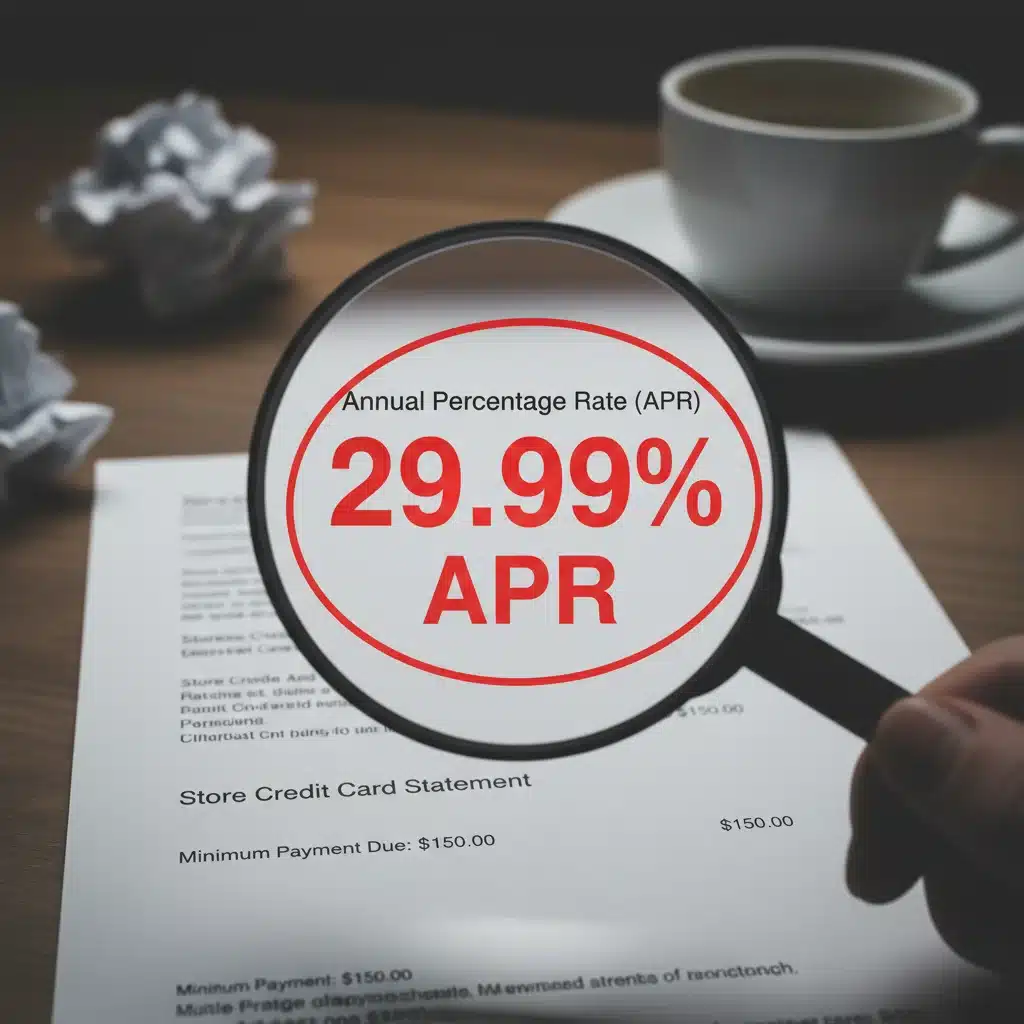
While the rewards of store credit cards are often front and center, the Annual Percentage Rate (APR) is frequently relegated to the fine print. It’s not uncommon for store cards to carry APRs of 18%, 25%, or even higher. To put this into perspective, the average APR for general-purpose credit cards in 2026 typically hovers around 15-20% for those with good credit. Store cards consistently push the upper boundaries of these rates.
Why Are Store Card APRs So High?
Several factors contribute to the elevated APRs associated with store credit cards:
- Target Audience: Store cards are often marketed to a broader range of credit profiles, including individuals with fair or limited credit history who might not qualify for premium general-purpose cards. To mitigate the increased risk, lenders charge higher interest rates.
- Limited Use: Because these cards are restricted to a single retailer, the issuer has less diversified revenue streams from interest and fees compared to a general-purpose card that can be used everywhere.
- Impulse Decisions: The point-of-sale application process often leads to impulse decisions, with consumers less likely to carefully review terms and conditions, including the APR, before signing up. Lenders factor this into their risk assessment.
- Profit Margins: The high APRs contribute significantly to the profitability of both the retailer (through increased sales) and the issuing bank (through interest income).
The Cost of Carrying a Balance
The 18% APR (or higher) becomes a critical factor if you carry a balance on your store credit cards. Even a small balance can quickly balloon due to compounding interest. For example, if you make a $500 purchase and only pay the minimum due each month on a card with an 18% APR, you could end up paying significantly more in interest than the initial discount you received. This is where the perceived savings quickly evaporate and turn into substantial debt.
When Store Credit Cards Make Sense (and When They Don’t)
Despite the high APRs, there are specific scenarios where a store credit card can be a beneficial tool. The key is responsible usage and a clear understanding of your financial habits.
Ideal Scenarios for Store Credit Cards:
- You Always Pay in Full: If you are disciplined about paying your credit card balance in full every single month, the APR becomes largely irrelevant. In this case, you can take full advantage of the sign-up bonuses, loyalty points, and exclusive discounts without incurring interest charges. This is the golden rule for making any credit card work for you, especially those with high APRs.
- High-Frequency Shopper at a Specific Retailer: If you consistently spend a significant amount at a particular store and the card offers substantial, ongoing rewards (e.g., 5% back on all purchases, free shipping), it might be worth it. The value of these rewards should demonstrably outweigh any potential opportunity cost of not using a general-purpose rewards card elsewhere.
- Building Credit (with Caution): For individuals with limited credit history, a store credit card can sometimes be easier to obtain than a traditional credit card. If used responsibly (i.e., paid in full every month), it can help build a positive credit history. However, given the high APRs, this approach requires extreme diligence.
- One-Time Major Purchase with Significant Discount: If you’re making a large, planned purchase (e.g., a new appliance, furniture) and the store card offers a substantial one-time discount (e.g., 20% off), it could be worthwhile, provided you have the cash on hand to pay off the entire balance immediately.
When to Avoid Store Credit Cards:
- You Tend to Carry a Balance: If you frequently carry a balance on your credit cards, the high APR of store credit cards will quickly negate any rewards or discounts. The interest charges will far outstrip the value of any points or savings.
- Impulse Buyer: If the temptation of exclusive offers leads you to spend more than you planned or can afford, a store card can be a dangerous trap. It encourages spending within that specific store, potentially diverting funds from essential expenses.
- Infrequent Shopper: If you only shop at a particular store occasionally, the benefits of their credit card are unlikely to justify the potential credit score impact of opening a new account, especially if the rewards are minimal.
- Seeking a Low APR: If your primary goal is to find a credit card with a low interest rate for occasional balances, store credit cards are generally not the answer. There are far better options available with lower APRs and more flexible usage.
Comparing Store Cards to General-Purpose Rewards Cards
It’s crucial to compare the offerings of store credit cards to those of general-purpose rewards cards. While a store card might offer 5% back at its specific store, a general-purpose card might offer 2% cash back on all purchases, or 3-5% back in rotating categories that include department stores or online shopping. The broader utility and often lower APRs of general-purpose cards can make them a more versatile and financially sound choice for many consumers.
The Opportunity Cost
Consider the opportunity cost. If you put all your spending on a store credit card to maximize its rewards, you might be missing out on higher rewards from a general-purpose card that offers bonuses on categories like groceries, gas, or dining, where you might spend more overall. A balanced approach often involves using a strong general-purpose card for most spending and strategically using a store card only for specific, high-value purchases that you can immediately pay off.
Impact on Your Credit Score
Opening any new credit account, including store credit cards, can have an impact on your credit score. When you apply, a hard inquiry is typically made, which can temporarily ding your score. Additionally, a new account lowers your average age of accounts and increases your total available credit, which can be both good and bad. While increased available credit can improve your credit utilization ratio (if you keep balances low), opening too many accounts in a short period can be viewed negatively by lenders.
Managing Multiple Store Cards
Some avid shoppers might find themselves with several store credit cards. While this isn’t inherently bad, it requires meticulous organization to manage payment due dates and avoid carrying balances. Each card represents a separate financial obligation, and missing payments on any of them can severely damage your credit score and incur hefty late fees.
Strategies for Maximizing Store Card Benefits (Responsibly)
If you decide that a store credit card aligns with your financial habits, here are strategies to ensure you reap the benefits without falling prey to high APRs:
- Always Pay Your Balance in Full: This is non-negotiable. If you cannot commit to paying the statement balance every month, the card is not for you.
- Understand the Rewards Structure: Know exactly what you’re earning and how to redeem it. Are the points worth a tangible discount, or are they tied to specific, perhaps less useful, items?
- Limit Your Number of Cards: Don’t open a store card for every retailer you visit. Focus on one or two stores where you genuinely spend a significant amount and where the rewards are genuinely valuable.
- Read the Fine Print: Before applying, thoroughly review the terms and conditions, especially the APR, late fees, and any deferred interest clauses (common with promotional financing offers).
- Set Payment Reminders: Use calendar alerts, banking apps, or other tools to ensure you never miss a payment due date.
- Avoid Impulse Buys: Don’t let the existence of a store card encourage you to spend more than you otherwise would. Stick to your budget.
The Future of Store Credit Cards in 2026 and Beyond
The landscape of credit and retail is constantly evolving. In 2026, we are seeing retailers increasingly focus on personalized offers and digital integration. Store credit cards are likely to become even more intertwined with mobile apps, online shopping experiences, and hyper-targeted promotions. This means the temptation to sign up will only grow, making it even more vital for consumers to exercise financial literacy and self-control.
Increased Scrutiny on APRs?
While consumer advocacy groups continually push for more transparency and regulation regarding high APRs, significant legislative changes specifically targeting store credit cards have been slow to materialize. Therefore, the onus remains on the consumer to understand the terms and make informed decisions. We may see more competitive offers from some retailers, particularly those aiming to attract higher-credit-score customers, but the high-APR model for many store cards is likely to persist.
The Rise of Alternative Payment Options
The growing popularity of ‘Buy Now, Pay Later’ (BNPL) services also presents an interesting dynamic. While BNPL offers interest-free installments, it also carries its own set of risks, including late fees and potential credit score impact. For some, BNPL might seem like a more attractive alternative to a high-APR store credit card, but it’s important to understand the terms of both. The key takeaway is that consumers have more choices than ever, requiring even greater discernment.
Making an Informed Decision About Store Credit Cards
Ultimately, the decision to open a store credit card boils down to your individual spending habits, financial discipline, and credit goals. For the disciplined consumer who consistently pays balances in full, the rewards and perks can indeed offer genuine value. However, for anyone who tends to carry a balance, the high APRs typical of these cards (like the 18% mentioned) can quickly negate any initial savings and lead to a cycle of debt.
Before you are swayed by the next ‘15% off your first purchase’ offer at the checkout counter, take a moment to consider:
- Do I really need this card?
- Will I pay the balance in full every month?
- Are the rewards truly valuable for my spending habits?
- Could a general-purpose rewards card offer better overall value?
By asking these critical questions, you can make a financially sound decision that aligns with your long-term well-being, rather than falling prey to the immediate, but potentially costly, allure of store credit cards. In 2026, financial literacy and strategic planning are your best tools for navigating the complex world of consumer credit.
Conclusion: Navigating the Retail Credit Landscape Wisely
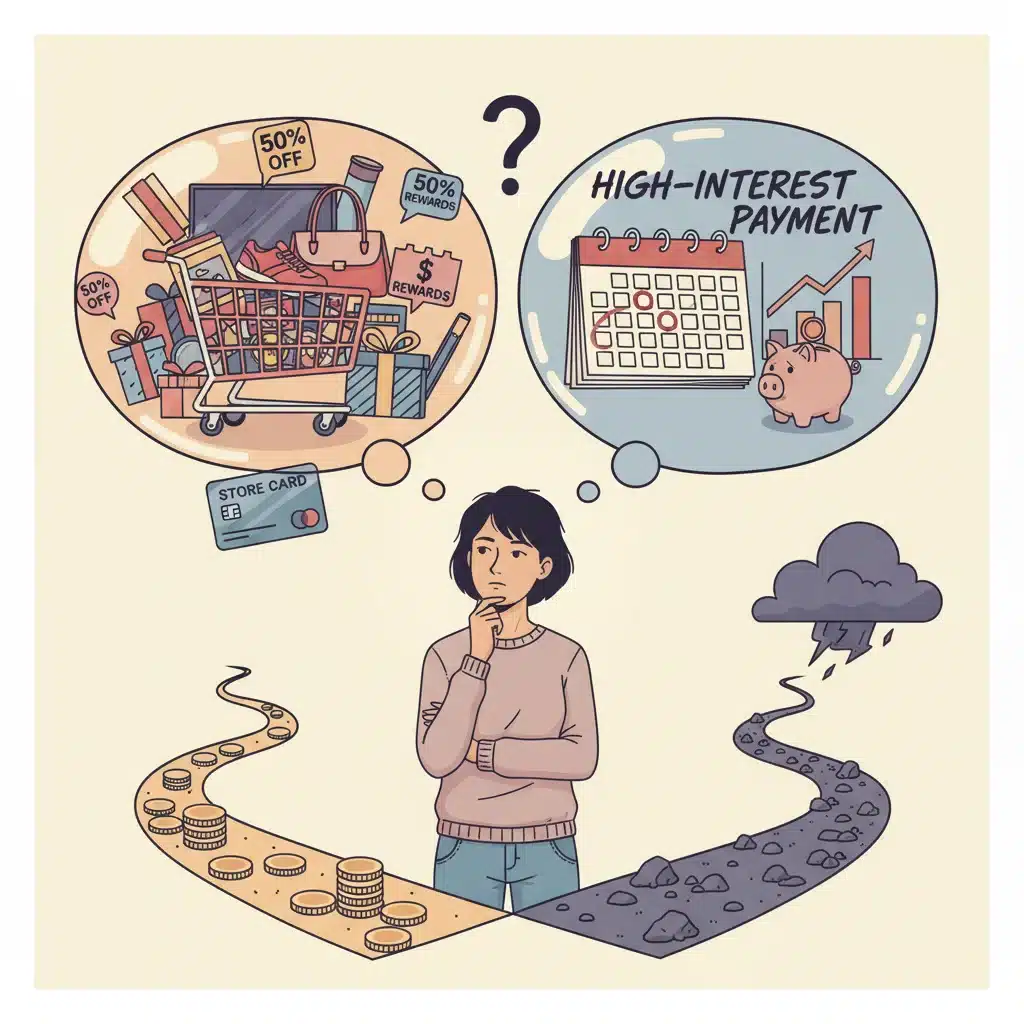
Store credit cards, with their enticing discounts and loyalty benefits, present a classic financial dilemma: immediate gratification versus long-term cost. While the rewards can be appealing, especially for frequent shoppers, the often-high Annual Percentage Rates (APRs), commonly hovering around 18% or more, demand a cautious approach. The value proposition of these cards hinges entirely on your ability to pay off your balance in full each month, thereby avoiding interest charges that can quickly erase any savings gained through discounts or points.
For the financially disciplined individual who uses a store card strategically and responsibly, these tools can indeed enhance shopping experiences and provide tangible benefits. However, for those prone to carrying balances or making impulse purchases, store credit cards can become a costly trap, leading to accumulating debt and potentially damaging credit scores. In 2026, as retail environments become increasingly competitive and personalized offers proliferate, understanding the true cost and benefit of every financial product, particularly store credit cards, is more crucial than ever. Always prioritize your financial health by making informed decisions, reading the fine print, and ensuring that any credit product you choose aligns with your budget and long-term financial goals.