Mastering Fashion Returns: Your 2026 Guide to Smart Shopping

Mastering Fashion Returns: Your 2026 Guide to Smart Shopping
In the dynamic world of fashion, where trends evolve at lightning speed and online shopping reigns supreme, understanding fashion return policies is more crucial than ever. As we navigate 2026, the landscape of consumer rights and retailer expectations continues to shift, making it imperative for every savvy shopper to be well-versed in the art of the return. This comprehensive guide will equip you with the knowledge and strategies to protect your fashion investments, ensuring that your shopping experiences are always stress-free and financially sound.
Gone are the days when a simple receipt was all you needed. Today, return policies are intricate webs of clauses, deadlines, and conditions that can often feel designed to confuse. From the rise of ‘try-before-you-buy’ services to stricter rules on worn items, the stakes are higher. Whether you’re a seasoned online shopper or prefer the tangible experience of brick-and-mortar stores, knowing your rights and the retailer’s obligations is your best defense against buyer’s remorse.
This article delves deep into the nuances of fashion return policies in 2026. We’ll explore the common pitfalls, highlight emerging trends, and provide actionable tips to ensure you always get your money back or an exchange when needed. Prepare to transform from a casual shopper into a return policy pro, securing every fashion deal investment you make.
The Evolving Landscape of Fashion Return Policies in 2026
The year 2026 has brought with it significant shifts in how retailers approach returns. Driven by factors such as sustainability initiatives, the continued growth of e-commerce, and evolving consumer behavior, fashion return policies have become more sophisticated. Retailers are balancing the need for customer satisfaction with the financial and environmental costs associated with returns. This has led to a more nuanced approach, often categorizing items, implementing shorter return windows for certain goods, and even employing AI to detect fraudulent return patterns.
One notable trend is the move towards ‘smart returns,’ where algorithms analyze purchasing and return histories to offer personalized return options or even flag potential abuse. For consumers, this means that while the core right to return remains, the process itself can vary significantly from one retailer to another. Understanding these variations is key to a smooth return experience.
Key Changes and What They Mean for You:
- Shorter Return Windows: Many fast-fashion retailers and those dealing with seasonal items are implementing shorter return periods, sometimes as little as 7-14 days, especially for sale items.
- Stricter Condition Requirements: The definition of ‘original condition’ is becoming more stringent. Tags must be attached, items must be unworn and unwashed, and even the original packaging can be a requirement.
- Restocking Fees: While less common for clothing, some luxury or specialized fashion items may incur restocking fees, particularly if the return is not due to a defect.
- Proof of Purchase Evolution: Digital receipts and order numbers are increasingly accepted, but some retailers still prefer physical receipts or require the original payment method.
- Sustainability Focus: Some brands are encouraging exchanges over returns or offering incentives for in-store returns to reduce shipping emissions.
These changes underscore the importance of reading the fine print before making a purchase. A proactive approach to understanding each retailer’s specific fashion return policies will save you time, money, and frustration in the long run.
Decoding the Fine Print: Essential Terms in Fashion Return Policies
Every fashion return policy is a legal document, and like any legal document, it contains specific terminology that can significantly impact your ability to return an item. Misinterpreting these terms can lead to denied returns, store credit instead of a refund, or even losing your investment entirely. Let’s break down the most common and crucial terms you’ll encounter in 2026.
1. Return Window/Period:
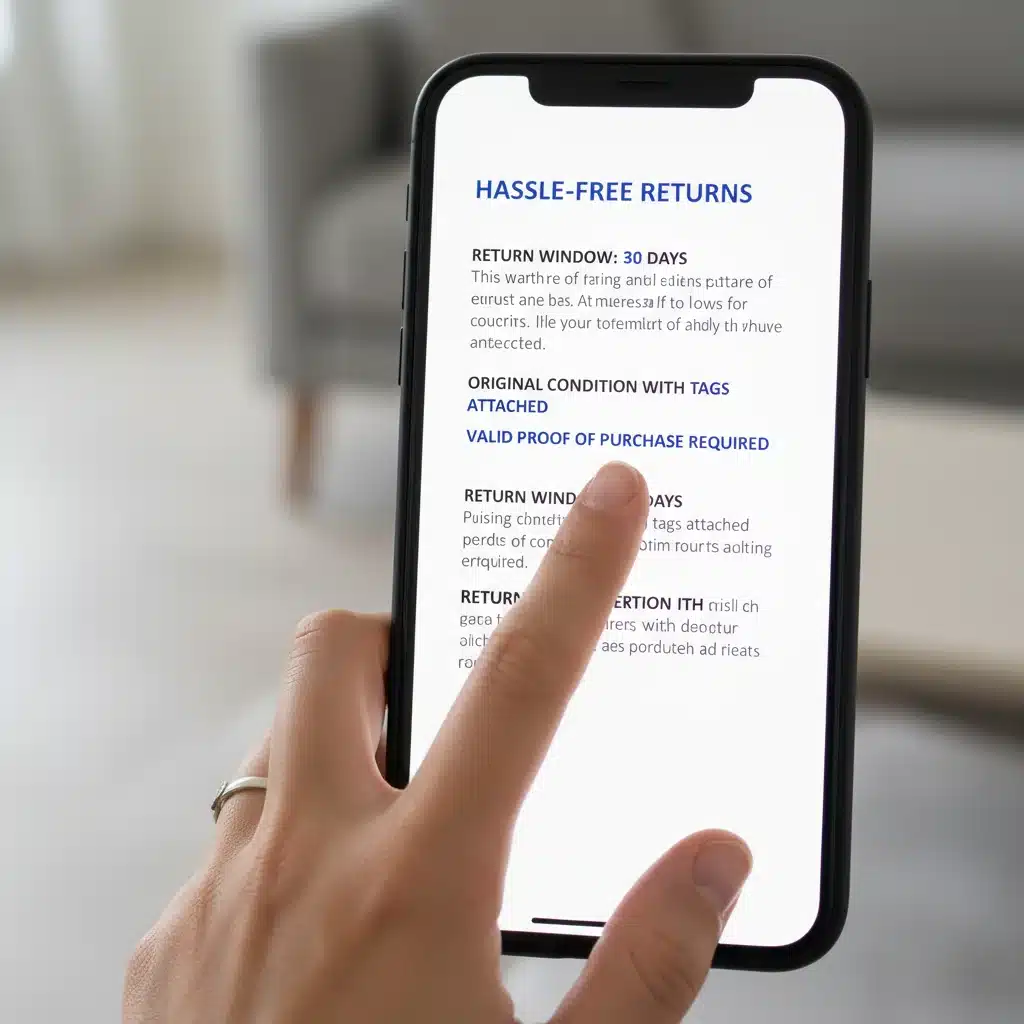
This is the timeframe within which you must initiate a return. It typically starts from the date of purchase (in-store) or the date of delivery (online). Always note this date down. A common mistake is to assume a standard 30-day window, but as mentioned, this can vary wildly.
2. Original Condition:
This is perhaps the most debated term. Generally, it means the item must be unworn, unwashed, and undamaged, with all original tags, labels, and packaging intact. Some retailers explicitly state that items with any signs of wear, odors (perfume, smoke), or pet hair will be refused. For items like swimwear or lingerie, hygiene strips must be untouched.
3. Proof of Purchase:
This verifies that you bought the item from that specific retailer. It can be a physical receipt, an email confirmation, an order number, or a transaction record linked to a loyalty program. Without proof of purchase, many retailers will only offer store credit at the item’s lowest sale price, if anything at all.
4. Final Sale/Non-Returnable Items:
These are items that cannot be returned under any circumstances. This often applies to clearance items, personalized goods, intimate apparel, or sometimes even specific promotional products. Always check for ‘Final Sale’ notices before purchasing, as this is a non-negotiable clause.
5. Refund Method:
Understand how you’ll receive your money back. Most retailers offer a refund to the original payment method. However, some may only offer store credit, especially if the return is outside the standard window or without proof of purchase. Be aware of any processing times for refunds.
6. Shipping Costs:
Who pays for return shipping? This is a critical question for online purchases. Some retailers offer free returns, others provide a prepaid label but deduct the cost from your refund, and some require you to pay for return shipping entirely. This can significantly impact the net amount of your refund.
Proactive Strategies for a Seamless Return Experience
The best way to navigate fashion return policies is to be proactive. By adopting a few smart habits, you can minimize potential headaches and ensure your return options are always open. Think of it as an investment in your peace of mind and your wallet.
1. Read the Policy BEFORE You Buy:
This cannot be stressed enough. Before clicking ‘purchase’ or heading to the checkout, take a few minutes to read the retailer’s full return policy. Pay special attention to the return window, conditions for return, and any ‘final sale’ clauses. If shopping online, the policy is usually linked in the footer of the website or on the product page itself. For in-store purchases, check signage or ask a sales associate.
2. Keep All Tags and Packaging:
It’s tempting to rip off tags immediately, but resist the urge until you are certain you’re keeping the item. Many retailers strictly enforce the ‘original tags attached’ rule. Similarly, if an item comes in special packaging (e.g., a dust bag for a handbag, a shoe box), keep it pristine. This is particularly important for luxury items where packaging is part of the product’s value.
3. Try Items On Carefully and Indoors:
When trying on clothes at home, treat them as if you were in a fitting room. Avoid wearing makeup that could transfer, don’t wear perfume, and keep pets away. Try items on clean surfaces to prevent dirt or hair transfer. If you wear the item outside or for an extended period, it’s generally considered ‘worn’ and ineligible for return.
4. Retain All Proof of Purchase:
Whether it’s a physical receipt, an email confirmation, or an order number, keep it in a safe and easily accessible place. Consider creating a dedicated email folder for online order confirmations. For physical receipts, take a photo and store it digitally, or keep it in a ‘returns’ envelope. This documentation is your golden ticket for a smooth return.
5. Understand the Differences Between In-Store and Online Returns:
Some retailers have different fashion return policies for online purchases versus in-store purchases. For example, you might be able to return an online order to a physical store, but sometimes this isn’t possible, or the refund process might be different. Always clarify this, especially if you foresee needing to return an item bought online.
6. Be Mindful of Payment Methods:
If you pay with a gift card, expect store credit for returns. If you use a third-party payment service like PayPal or Afterpay, understand how refunds are processed through those platforms, as it might add an extra step or delay to your refund.
Common Pitfalls and How to Avoid Them
Even with the best intentions, shoppers can sometimes fall prey to common return policy traps. Being aware of these pitfalls can help you navigate around them effectively.
1. Missing the Return Window:
This is arguably the most common reason for denied returns. Life gets busy, and that outfit you bought for an event two months ago might still be sitting in its bag. Set reminders for yourself on your phone or calendar, especially for items with shorter return periods. If you’re close to the deadline, prioritize getting the return initiated.
2. Damaged or Worn Items:
Accidents happen, but a stain, tear, or strong odor will almost certainly lead to a denied return. Inspect items thoroughly upon receipt. If you notice a defect, contact the retailer immediately to report it and arrange a return, making sure to document the defect with photos.
3. Lost Receipts/Proof of Purchase:
Without proof of purchase, your options are severely limited. As advised, always keep your receipts. If you’ve lost a physical receipt, check if the retailer can look up your purchase using your credit card or loyalty account information. This isn’t always guaranteed, but it’s worth trying.
4. Not Understanding ‘Final Sale’:
The allure of a deep discount can sometimes blind us to the ‘final sale’ sticker. Remember, ‘final sale’ means no returns, no exchanges, no exceptions. If you’re unsure about sizing or fit for a final sale item, it’s often best to pass unless you’re absolutely certain.
5. Disregarding Return Shipping Costs:
For online purchases, if you have to pay for return shipping, a cheap item might not be worth the cost of returning. Calculate this before you buy, especially if you’re prone to making frequent returns. Some shoppers factor this into their decision-making, opting for retailers with free return shipping even if the initial price is slightly higher.
Emerging Trends in Fashion Returns: What to Expect in 2026 and Beyond
The future of fashion return policies is continuously shaped by technological advancements and shifting consumer expectations. Here’s a glimpse into what might become standard practice in 2026 and beyond:
1. AI-Powered Return Anomaly Detection:
Retailers are increasingly using AI to identify ‘serial returners’ or those who might be abusing return policies. While intended to curb fraudulent activity, this also means that your return history might influence your future shopping experience with certain brands. Fair usage policies could become more explicit.
2. Virtual Try-On and Augmented Reality (AR):
The widespread adoption of virtual try-on and AR tools is expected to significantly reduce return rates for online fashion. By allowing customers to ‘see’ how clothes fit and look on their bodies before purchase, the need for returns due to sizing or style mismatches will decrease.
3. Hyper-Personalized Return Experiences:
Based on your purchase history and loyalty status, retailers might offer customized return windows or expedited refund processes. This rewards loyal customers and encourages continued engagement.
4. Eco-Friendly Return Options:
Expect more incentives for sustainable return practices, such as returning items to a physical store to reduce carbon footprint, or using consolidated return shipments. Some brands might even offer digital-only receipts as a default to minimize paper waste.
Your Rights as a Consumer: Beyond Retailer Policies
While retailer fashion return policies are crucial, it’s also important to remember that consumer protection laws exist to safeguard your rights. These laws vary by region and country but generally provide a baseline level of protection that retailers must adhere to, regardless of their own stated policies.
Key Consumer Rights to Remember:
- Right to Goods of Satisfactory Quality: Items must be fit for purpose, durable, and free from defects. If an item is faulty, you generally have a right to a refund, repair, or replacement, even if it’s past the standard return window.
- Right to Accurate Description: Items must match the description provided by the retailer (online or in-store). If an item is significantly different from what was advertised, you typically have a right to return it.
- Cooling-Off Period for Online Purchases: Many regions (e.g., EU, UK) have laws providing a ‘cooling-off period’ for online and distance purchases, allowing you to return items within a set timeframe (e.g., 14 days) without a specific reason, even if the retailer’s policy is shorter. Check your local consumer laws for details.
- Protection Against Unfair Terms: Retailer policies cannot override your statutory consumer rights. If a policy term is deemed unfair or attempts to remove your basic rights (e.g., denying a return for a faulty item), it may be legally unenforceable.
If you encounter a dispute with a retailer regarding a return, and you believe your consumer rights have been violated, consider reaching out to consumer protection agencies in your area. Document all communications and keep records of your purchase and the item’s condition.
The Psychology of Returns: Why We Return and How to Minimize It
Understanding the common reasons for returns can help you make smarter purchasing decisions and reduce the need to engage with fashion return policies in the first place. While returns are a part of shopping, minimizing them benefits both you (less hassle) and the environment (less shipping and waste).
Common Reasons for Fashion Returns:
- Sizing Issues: Inconsistent sizing across brands is a major culprit.
- Fit and Style Mismatches: What looks good on a model might not suit your body type or personal style.
- Color Discrepancy: Colors can look different on screen than in real life.
- Impulse Purchases: Buying something on a whim and regretting it later.
- Quality Concerns: The item doesn’t meet expectations for material or construction.
- Buying Multiple Sizes/Colors to Try On: A common practice, especially online, to ensure a good fit.
Tips to Minimize Returns:
- Know Your Measurements: Don’t just rely on your usual size. Measure yourself and compare with size charts.
- Read Reviews: Other shoppers often provide valuable insights into sizing, fit, and quality.
- Check Fabric Composition: Understanding materials can give you a better idea of drape, stretch, and feel.
- Use Virtual Try-On Tools: If available, leverage AR features to visualize items on yourself.
- Shop Mindfully: Take a moment before purchasing to consider if you truly need and love the item.
- Understand Your Style: Stick to what you know works for you, or experiment cautiously.
Conclusion: Empowering Your Fashion Investments in 2026
Navigating fashion return policies in 2026 doesn’t have to be a daunting task. By understanding the evolving landscape, decoding the essential terms, adopting proactive strategies, and knowing your consumer rights, you can transform from a reactive shopper into an empowered consumer. Every purchase, whether it’s a high-value investment piece or a trendy seasonal item, comes with the peace of mind that you’re protected.
Make it a habit to review return policies, keep your documentation organized, and be mindful in your shopping choices. This approach not only safeguards your financial investments but also contributes to a more sustainable and responsible fashion ecosystem. In 2026 and beyond, smart shopping isn’t just about finding the best deals; it’s about making informed decisions that respect your rights, your wallet, and the planet.
Embrace these strategies, and you’ll find that securing your fashion deal investments becomes a seamless and stress-free part of your overall shopping experience. Happy shopping, and even happier returning, when necessary!