2026 Retail Price Matching: Your Ultimate Guide to Saving
The Ultimate 2026 Guide to Understanding Price Matching Policies Across 10 Major US Retailers
In the ever-evolving landscape of retail, savvy shoppers are constantly seeking new ways to maximize their savings. One of the most effective, yet often misunderstood, strategies is price matching. As we step into 2026, the policies surrounding retail price matching continue to adapt, influenced by e-commerce, economic shifts, and competitive pressures. This comprehensive guide will demystify the price matching policies of 10 major US retailers, empowering you to shop smarter and save more. Understanding these nuances is crucial, as a few dollars saved on each purchase can significantly add up over time.
Price matching isn’t just about finding a lower price; it’s about understanding the specific terms and conditions each retailer imposes. From identical items to proof of price and time limits, the devil is often in the details. Our aim is to equip you with the knowledge to confidently approach any customer service desk or online chat, ensuring you get the best possible deal. We’ll delve into who offers price matching, what items are typically eligible, and how to navigate common exclusions and limitations. Prepare to transform your shopping habits and become a master of retail price matching.
What is Price Matching and Why is it Important in 2026?
Price matching is a retail strategy where a store agrees to sell an item at the same price as a competitor’s advertised lower price. This practice is designed to retain customers and discourage them from shopping elsewhere. In 2026, with the proliferation of online retailers and instant price comparison tools, price matching has become an even more critical tool for consumers. The ability to quickly check prices across multiple platforms means that retailers must offer competitive pricing, and price matching is a direct response to this consumer demand.
The importance of retail price matching extends beyond just saving money. It fosters a sense of trust and loyalty between the consumer and the retailer. Knowing that a store will honor a competitor’s lower price can influence where a customer chooses to shop, even if they haven’t found a lower price yet. It eliminates the need to drive to multiple stores or open countless browser tabs, streamlining the shopping experience. Furthermore, in an inflationary environment, every dollar saved contributes to a healthier household budget. For retailers, it’s a delicate balance: attracting and retaining customers without eroding profit margins too severely. Understanding this dynamic is key to successfully leveraging price matching policies.
General Rules and Common Exclusions for Retail Price Matching
While specific policies vary widely, several general rules and common exclusions apply across most retailers when it comes to retail price matching. Familiarity with these universal aspects can save you time and frustration.
General Rules:
- Identical Item: The product must be exactly the same – same brand, model number, color, size, and condition. This is the most fundamental requirement.
- In-Stock Requirement: Both the retailer you’re buying from and the competitor must have the item in stock at the advertised lower price.
- Advertised Price: The competitor’s price must be publicly advertised. This usually means a printed ad, a website listing, or a digital flyer. Screenshots are often accepted, but always check.
- Valid Timeframe: The competitor’s advertised price must be current and valid at the time of the price match request. Expired ads won’t be honored.
- Proof of Price: You will almost always need to provide verifiable proof of the lower price. This can be a physical ad, a URL to an online product page, or a screenshot.
- One-Time Adjustment: Most price matches are a one-time adjustment. If the price drops further after your purchase, you usually can’t get a second adjustment.
Common Exclusions:
- Clearance/Liquidation/Closeout Items: Prices on items being cleared out are typically not matched.
- Black Friday/Cyber Monday/Seasonal Sales: Special event pricing, especially during major shopping holidays, is often excluded.
- Third-Party Sellers: Prices from marketplace sellers (e.g., Amazon third-party sellers, eBay) are usually not matched. Only prices from legitimate, established retailers are considered.
- Typographical Errors: Obvious pricing errors in advertisements will not be honored.
- Bundle Offers/Promotional Gifts: Prices that include free gifts, bundle deals, or mail-in rebates are often excluded from direct price matching.
- Membership-Only Pricing: Prices requiring a paid membership (e.g., Costco, Sam’s Club) are frequently excluded, unless the retailer offering the match also has a similar membership program.
- Services: Price matching typically applies to physical products, not services like installation or extended warranties.
- Used/Refurbished Items: Only new items are generally eligible for price matching.
Understanding these commonalities will give you a strong foundation before diving into the specific policies of individual retailers. Always remember to check the specific retailer’s policy, as exceptions and unique rules are common.
Price Matching Policies of 10 Major US Retailers in 2026
Now, let’s explore the specific retail price matching policies of some of the largest and most popular retailers in the United States. Please note that policies can change, so it’s always wise to verify the most current information directly on the retailer’s website or by contacting their customer service.
1. Best Buy
- Policy: Best Buy generally offers price matching against local retail competitors and major online retailers like Amazon.com, Dell.com, HP.com, and TigerDirect.com.
- Key Details: The item must be identical and in stock at both Best Buy and the competitor. They will match their own online prices if lower than in-store.
- Exclusions: Marketplace sellers, pricing errors, bundles, special daily/hourly sales, and clearance items are typically excluded.
- Tip: Always have the competitor’s ad or website open on your phone for quick verification.
2. Target
- Policy: Target offers price matching for identical items found at select competitors (both online and brick-and-mortar) and on Target.com.
- Key Details: Competitors include Amazon.com, Walmart.com, BestBuy.com, and several others. Price adjustments can be made within 14 days of purchase.
- Exclusions: Clearance, closeout, damaged, or refurbished items; prices from third-party marketplace sellers; and prices that require a coupon or loyalty program are often excluded.
- Tip: Target’s policy is quite generous, but be prepared to show proof of the lower price.
3. Walmart
- Policy: Walmart’s in-store price matching policy can be inconsistent, often varying by store location. Historically, they have matched online prices from Walmart.com.
- Key Details: For online purchases, Walmart.com often features an automated price comparison tool, but it’s not a direct ‘match’ against external competitors in the traditional sense. In-store, it’s best to ask a manager.
- Exclusions: Third-party marketplace sellers on Walmart.com are generally excluded from price matches.
- Tip: For in-store purchases, it’s a good idea to check with customer service or a department manager, as store discretion plays a larger role here.
4. Amazon
- Policy: Amazon does not typically offer a broad price matching policy against other retailers. Their strategy is to offer competitive pricing upfront.
- Key Details: If you purchase an item from Amazon and the price drops shortly after, you might be able to get a price adjustment, but this is not guaranteed and varies by product category.
- Exclusions: Almost all external competitor prices are excluded.
- Tip: Use price tracking tools for Amazon to buy when the price is lowest, rather than relying on a price match after purchase.
5. Home Depot
- Policy: Home Depot offers a price match guarantee on identical, in-stock items from local retail competitors.
- Key Details: They will match the competitor’s price and then beat it by 10% on most items, provided it’s a local competitor’s everyday price (not special offers). For online competitors, they will match the price, but not beat it.
- Exclusions: Special orders, services, volume discounts, clearance, and closeout prices are generally excluded.
- Tip: This 10% beat policy for local competitors makes Home Depot a strong contender for major purchases.
6. Lowe’s
- Policy: Similar to Home Depot, Lowe’s offers a price match guarantee for identical, in-stock items from local retail competitors.
- Key Details: They will match the competitor’s price and then beat it by 10% on most items. For online competitors like Amazon.com or Wayfair.com, they will match the price but not beat it.
- Exclusions: Special orders, services, installation fees, clearance, and closeout items are typically excluded.
- Tip: Always clarify whether the item qualifies for the 10% beat or just a direct match, especially for online competitor prices.
7. Kohl’s
- Policy: Kohl’s has a specific price match policy that generally matches competitors’ in-store prices on identical items.
- Key Details: They do not price match online competitors (including Kohls.com) in-store. They also do not match prices during specific promotional events like Black Friday.
- Exclusions: Online pricing, clearance, percentages off discounts, and loyalty program pricing from competitors are usually excluded.
- Tip: Kohl’s price matching is more restrictive, focusing on physical store competitors. Always bring the competitor’s physical ad.
8. Macy’s
- Policy: Macy’s generally offers price adjustments if an item you purchased goes on sale within 10-14 days of your purchase. They also match competitor prices under certain conditions.
- Key Details: For competitor price matching, the item must be identical, in stock, and the competitor must be a legitimate retailer. This policy is often handled at the discretion of the sales associate or manager.
- Exclusions: Clearance, closeout, special purchases, and prices from online-only retailers are frequently excluded.
- Tip: It’s often easier to get a price adjustment for a Macy’s price drop than to price match an external competitor.
9. JCPenney
- Policy: JCPenney offers a competitive price match policy. They will match any competitor’s advertised price on an identical item.
- Key Details: This includes both brick-and-mortar and online competitors. The item must be in stock at the competitor.
- Exclusions: Pricing errors, clearance, closeout, liquidation sales, and prices from marketplace sellers are typically excluded.
- Tip: JCPenney is often a good option for matching online prices from other major retailers.
10. Nordstrom
- Policy: Nordstrom is known for its customer service and does offer price adjustments if an item goes on sale within a certain timeframe (usually 10-14 days) after purchase. They also have a nuanced approach to competitor price matching.
- Key Details: While not a formal ‘price match guarantee’ like some other retailers, Nordstrom sales associates often have the discretion to match competitor prices on a case-by-case basis, especially for high-end or designer items, to ensure customer satisfaction.
- Exclusions: Clearance, special events, and prices from third-party sellers are generally excluded.
- Tip: It’s always worth asking at Nordstrom, especially if you are a loyal customer or the price difference is significant. Their focus is on customer retention.
Strategies for Successful Retail Price Matching
Successfully navigating retail price matching requires more than just knowing the policies; it demands a strategic approach. Here are some expert tips to ensure you get the best possible deal every time.
1. Do Your Homework Thoroughly
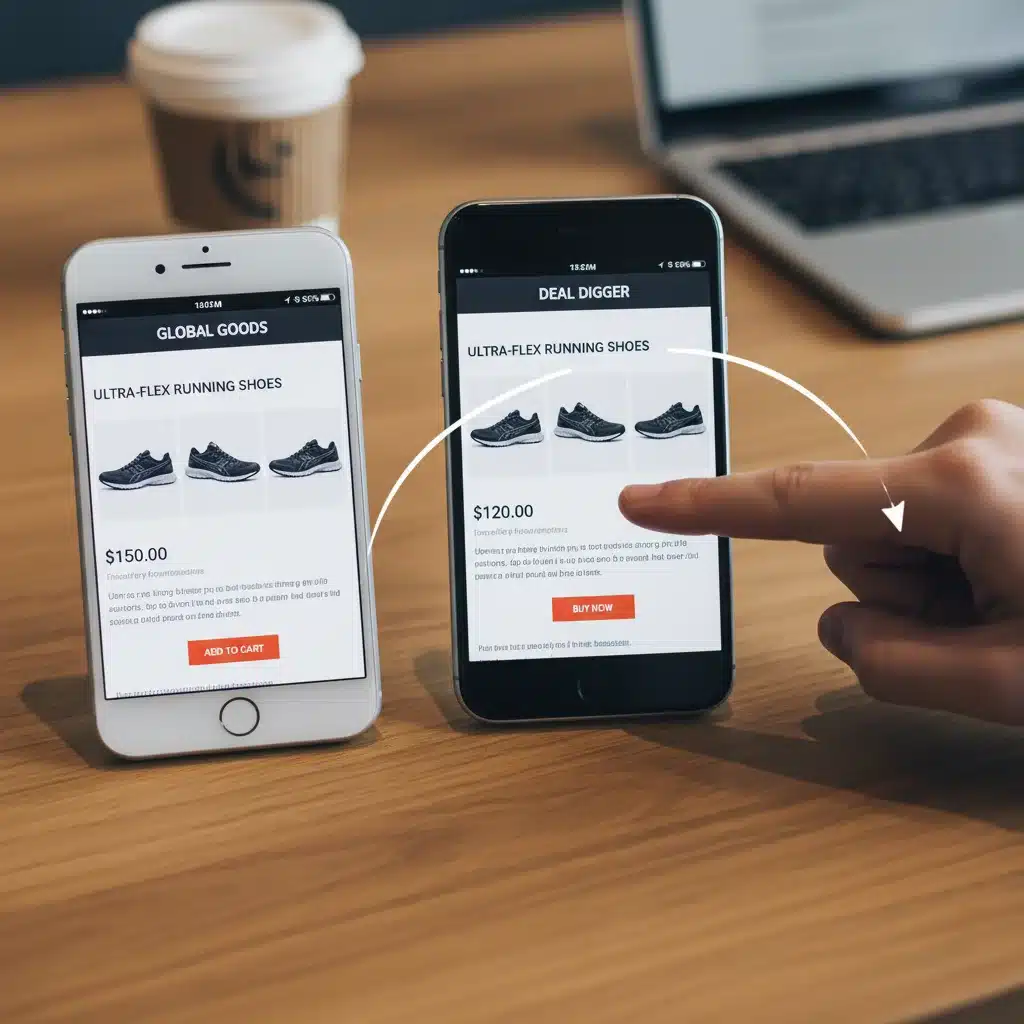
Before you even step foot in a store or click ‘add to cart,’ do your research. Use price comparison websites, browser extensions, and retailer apps to scour for the lowest prices. Make sure the item is identical in every way – model number, color, size, and condition. A slight variation can be a deal-breaker for a price match.
2. Understand Each Retailer’s Specific Policy
As detailed above, policies vary significantly. Print out or save a screenshot of the retailer’s official price match policy from their website. This can be invaluable if you encounter an unknowledgeable associate or a dispute.
3. Have Verifiable Proof Ready
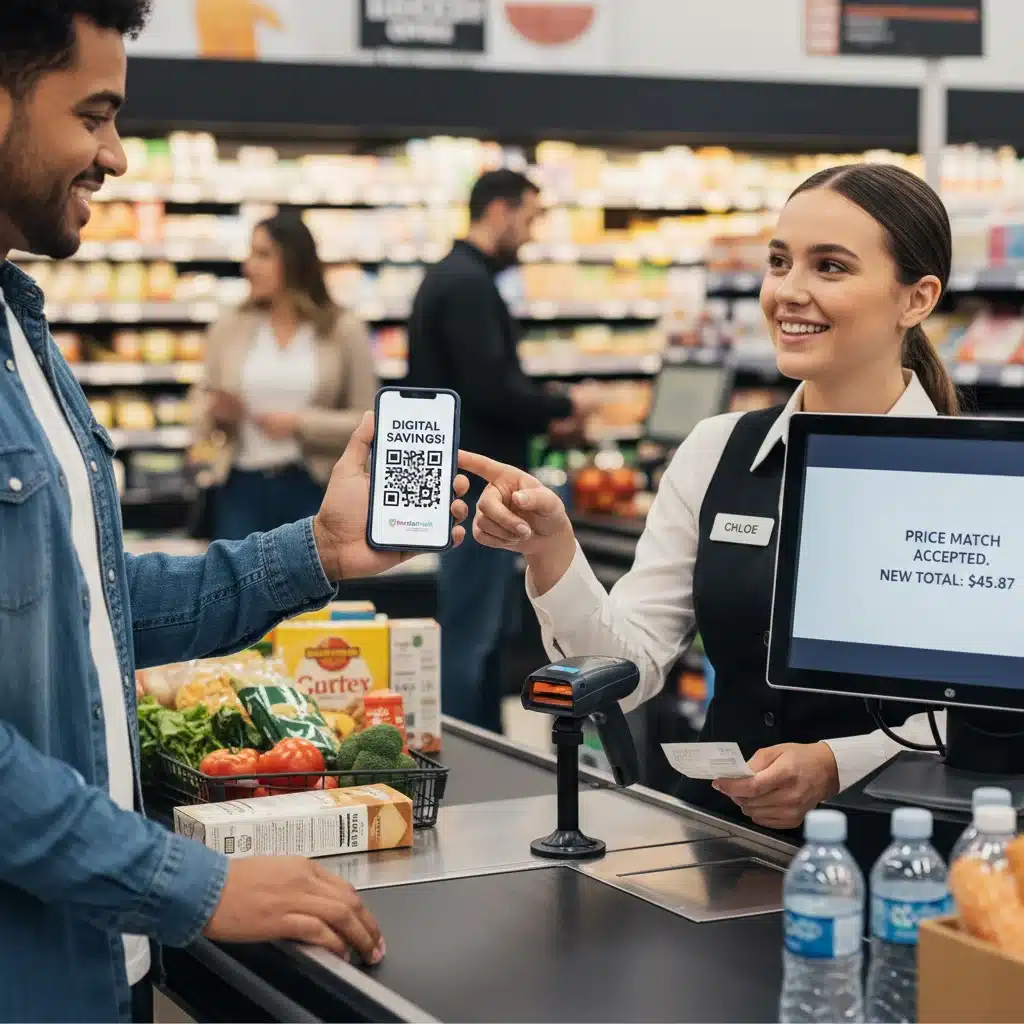
For in-store price matches, have the competitor’s ad or website open on your smartphone, or a printout of the ad. Ensure the date, item details, and price are clearly visible. For online purchases, have the URL ready to paste into chat or an email. The easier you make it for the retailer to verify, the smoother the process will be.
4. Time Your Price Match Request
Many retailers have a window for price adjustments after purchase (e.g., 7-14 days). If you buy an item and it goes on sale or a competitor offers a lower price within that window, you can often get a refund for the difference. Be proactive and check prices regularly after a big purchase.
5. Be Polite and Persistent
Customer service representatives are more likely to help a polite and respectful customer. If your initial request is denied, politely ask to speak with a manager. Sometimes, store managers have more discretion to approve price matches, especially if you’re a good customer or the policy is slightly ambiguous.
6. Understand Exclusions
Don’t waste your time trying to price match items that are explicitly excluded, such as clearance, limited-quantity sales, or third-party marketplace prices. Knowing these upfront will prevent frustration.
7. Factor in Shipping Costs for Online Matches
If you’re price matching an online competitor, some retailers will factor in their shipping costs when determining the final matched price, especially if the competitor’s price is only lower due to free shipping. Always clarify this.
8. Consider Loyalty Programs and Credit Card Benefits
Some credit cards offer their own price protection benefits, which can act as a safety net if a retailer denies a price match. Also, consider how a price match might affect loyalty points or rewards at the matching retailer.
By adopting these strategies, you’ll not only save money but also gain confidence in your shopping decisions, making every purchase a potential win for your wallet.
The Future of Retail Price Matching in 2026 and Beyond
The landscape of retail price matching is continually evolving, driven by technological advancements, shifts in consumer behavior, and intensified competition. As we look beyond 2026, several trends are likely to shape the future of this crucial savings strategy.
Increased Automation and AI
Expect more retailers to integrate AI and automated systems for real-time price comparison and adjustments. This could mean dynamic pricing that constantly updates to match competitors, potentially reducing the need for manual price match requests. Chatbots and AI-powered customer service agents may become the primary interface for initiating price matches, making the process faster but potentially less flexible.
Hyper-Personalized Pricing
Retailers might leverage vast amounts of customer data to offer personalized pricing, which could complicate traditional price matching. If your personalized offer is already the lowest, the need for a match diminishes. Conversely, if others receive better personalized deals, it could create new challenges for consumers seeking the absolute lowest price.
Focus on Value-Added Services Over Pure Price
As price matching becomes more ubiquitous, some retailers may shift their focus to competing on value-added services, such as superior customer service, extended warranties, faster shipping, or unique loyalty programs, rather than just the lowest price. This could lead to a slight decrease in the emphasis on direct price matching for certain product categories.
Transparency and Ethical Concerns
With greater data availability, there will be increased scrutiny on how retailers set prices and handle price matching. Consumers and regulators might demand more transparency, particularly regarding dynamic pricing algorithms and their potential for discrimination. Ethical considerations around price gouging and unfair pricing practices will likely come to the forefront.
Integration with Smart Shopping Assistants
Smart shopping assistants and browser extensions will become even more sophisticated, not only identifying lower prices but potentially initiating price match requests on your behalf or advising you on the best time and place to buy based on a retailer’s known policies. This empowers consumers with unprecedented market intelligence.
Subscription Models and Membership Pricing
The rise of subscription services and membership-based pricing (e.g., Amazon Prime, Walmart+) will continue to complicate price matching. Retailers will need to clarify how they handle competitor prices that are exclusive to members or tied to subscription benefits.
Ultimately, the future of retail price matching will likely see a blend of technological innovation and a continued emphasis on customer experience. For consumers, staying informed and adapting to these changes will be key to continuing to save money effectively in an increasingly complex retail environment. The core principle – finding the best value for your money – will remain constant, even as the methods for achieving it evolve.
Conclusion: Master Your Savings with Savvy Price Matching
As we’ve explored throughout this ultimate guide, retail price matching remains a powerful tool for consumers looking to maximize their savings in 2026. While the policies can sometimes feel like a labyrinth of rules and exclusions, a little preparation and understanding can turn a potentially frustrating experience into a rewarding one. From Best Buy’s comprehensive policy to Nordstrom’s discretionary approach, each retailer offers a unique pathway to a lower price.
The key takeaway is clear: don’t leave money on the table. By doing your homework, understanding the specific terms of each major retailer, and approaching your request with confidence and politeness, you can consistently secure the best deals. The retail landscape is dynamic, with technological advancements and competitive pressures continuously reshaping how businesses interact with consumers. Staying informed about these changes, particularly in how price matching is implemented, will ensure you remain a savvy shopper for years to come.
Remember, every dollar saved through smart shopping contributes to your financial well-being. So, arm yourself with knowledge, leverage the power of price comparison, and confidently engage with retailers. Your wallet will thank you. Happy shopping, and here’s to a future of smarter, more economical purchases through expert retail price matching.