Mastering Price Matching: Your Guide to the Lowest Beauty Product Prices in 2026
Mastering Price Matching: Your Guide to the Lowest Beauty Product Prices in 2026
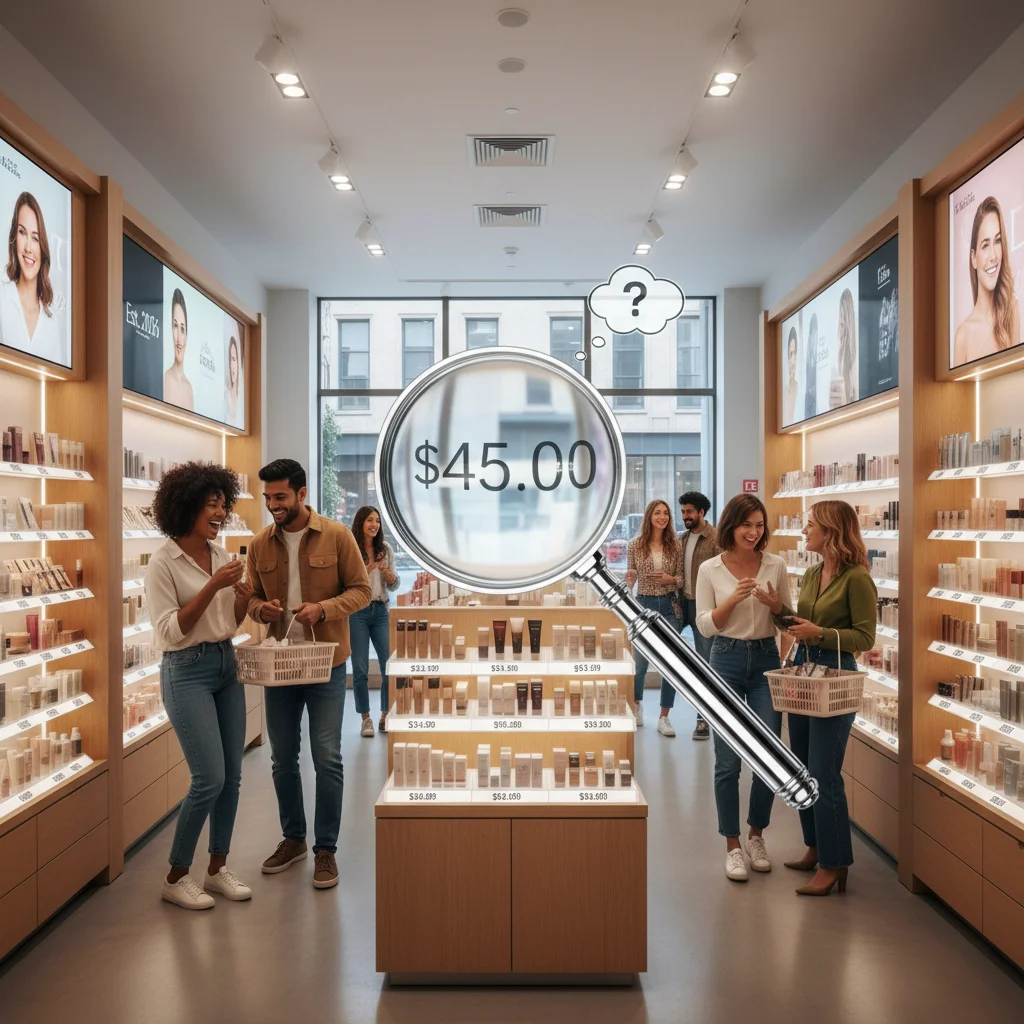
In the ever-evolving world of beauty, staying on top of the latest trends, breakthrough ingredients, and must-have products can be exhilarating. However, the pursuit of beauty can often come with a significant price tag. As we step into 2026, consumers are becoming increasingly savvy, seeking out every possible advantage to maximize their purchasing power. One of the most effective, yet often underutilized, strategies for securing the best deals on your favorite cosmetics, skincare, haircare, and fragrances is Beauty Product Price Matching.
Price matching isn’t just about finding a good deal; it’s about guaranteeing you pay the absolute lowest price available, preventing buyer’s remorse, and ensuring your beauty budget stretches further than ever before. This comprehensive guide will delve deep into the art and science of price matching for beauty products in 2026, equipping you with the knowledge, tools, and strategies to confidently navigate the retail landscape and come out on top.
Whether you’re a seasoned beauty enthusiast or just starting to build your collection, understanding how to effectively price match can transform your shopping experience, allowing you to indulge in premium products without breaking the bank. Get ready to discover how to consistently secure the lowest price on beauty products and make every dollar count.
The Evolution of Price Matching in 2026: What’s New?
The retail environment is a dynamic one, constantly adapting to consumer behavior and technological advancements. Price matching policies, once a niche offering, have become a more mainstream expectation, especially in competitive sectors like beauty. In 2026, we’re seeing several key trends influencing how Beauty Product Price Matching operates:
- Increased Digital Integration: Mobile apps and browser extensions are making real-time price comparisons easier than ever. Many retailers are also streamlining their online price match request processes.
- AI-Powered Price Tracking: Artificial intelligence is playing a bigger role, with tools that can predict price drops and alert consumers, further empowering them to demand the lowest price.
- Expanded Competitor Lists: Many retailers are broadening the scope of competitors they will price match against, including a wider array of online-only stores and international retailers (with caveats).
- Focus on Loyalty Programs: Price matching is often integrated with loyalty programs, offering additional perks or easier processes for repeat customers.
- Sustainability Considerations: Some retailers are introducing policies that factor in the environmental impact of shipping from different locations, which might subtly influence price matching decisions for certain products.
Understanding these shifts is crucial for developing an effective price matching strategy. The more agile and informed you are, the better your chances of consistently getting the best deals on your desired beauty products.
Understanding Retailer Price Match Policies for Beauty Products
The first and most critical step in successful Beauty Product Price Matching is to thoroughly understand the specific policies of the retailers you frequent. No two policies are exactly alike, and the devil is often in the details. Here’s what you need to look for:
Who Do They Match?
Does the retailer price match against local brick-and-mortar stores, national chains, or online-only retailers? Some will match Amazon, while others explicitly exclude it. Some might only match against direct competitors in the beauty space, while others are more general.
What Products Are Eligible?
Typically, the product must be identical: same brand, model, size, color, and UPC. It must also be in stock at the competitor’s store at the time of the price match request. Exclusions often include clearance items, refurbished products, bundle deals, or products sold by third-party sellers on marketplaces.
How Do They Verify the Price?
Most retailers require proof of the lower price. This could be a print advertisement, a screenshot from a competitor’s website, or a live view of the competitor’s product page on your mobile device. Ensure the date and price are clearly visible.
When Can You Price Match?
Some retailers allow price matching at the time of purchase, while others offer a post-purchase adjustment period (e.g., within 7, 14, or 30 days). Knowing this window is vital if you discover a lower price shortly after buying.
Are There Any Exclusions or Limitations?
Look for limitations on the number of items, specific brands, or types of promotions (e.g., ‘buy one get one free’ deals are often excluded). International retailers or prices requiring membership (like Costco or Sam’s Club) are also frequently excluded.
Pro Tip: Always check the retailer’s official website for their most up-to-date price match policy. Policies can change, so a quick review before a major purchase can save you time and frustration.
Your Toolkit for Effective Beauty Product Price Matching in 2026
To become a master of Beauty Product Price Matching, you need the right tools at your disposal. In 2026, technology has made this process significantly easier:
1. Price Comparison Websites and Apps
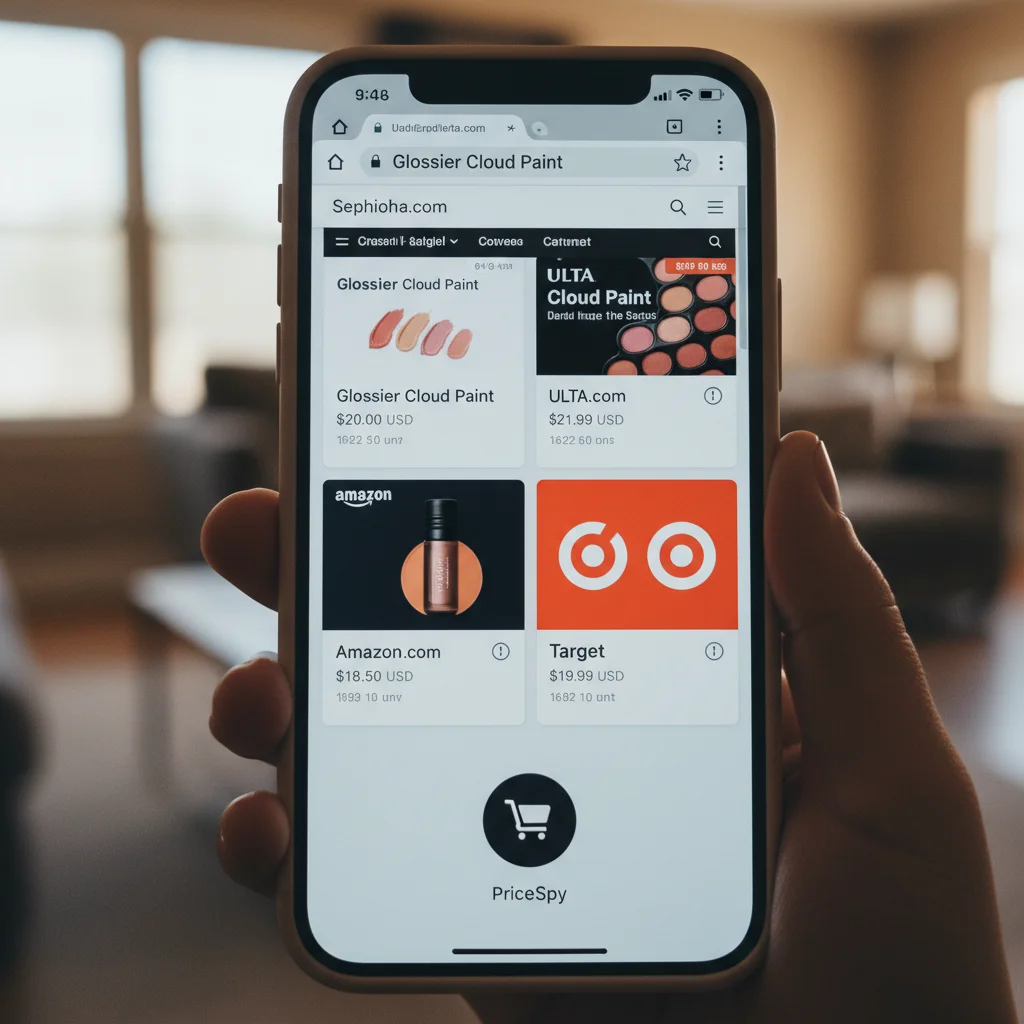
These are your digital detectives. Sites like Google Shopping, PriceGrabber, and dedicated beauty comparison apps allow you to quickly scan multiple retailers for the lowest price on a specific product. Many of these tools now offer advanced filters for beauty-specific criteria.
2. Browser Extensions
Extensions like Honey, Rakuten (formerly Ebates), and InvisibleHand automatically search for coupons and compare prices as you browse online. Some even notify you if a product you’re viewing is cheaper elsewhere.
3. Retailer Mobile Apps
Many major beauty retailers have their own apps that can be invaluable. They often feature barcode scanners to check prices in-store, provide access to exclusive app-only deals, and sometimes even have built-in price comparison features or direct links to their price match policy.
4. Price Tracking Tools and Alerts
For high-value or frequently purchased items, set up price alerts. Websites and apps like CamelCamelCamel (for Amazon), Keepa, or general price trackers allow you to monitor a product’s price history and receive notifications when it drops to your desired level. This is particularly useful for anticipating sales and then using that information for price matching.
5. Loyalty Programs and Email Newsletters
Sign up for loyalty programs and email newsletters from your favorite beauty retailers. Not only do they offer exclusive discounts, but they also keep you informed about upcoming sales and promotions that you can leverage for price matching.
Step-by-Step Guide to Successful Beauty Product Price Matching
Now that you’re equipped with the knowledge and tools, let’s walk through the process of successfully executing a Beauty Product Price Matching request:
Step 1: Research and Identify Your Desired Product
Know exactly what you want: brand, product name, specific shade/type, and size. Be precise. For example, ‘Fenty Beauty Gloss Bomb Universal Lip Luminizer in Fenty Glow, 9ml’.
Step 2: Scan for the Lowest Price
Use your toolkit (price comparison sites, apps, browser extensions) to find the absolute lowest legitimate price from a reputable competitor. Ensure the competitor has the item in stock and that it meets all the criteria of your target retailer’s price match policy.
Step 3: Understand Your Target Retailer’s Policy
Before heading to the store or starting an online chat, re-read the price match policy of the retailer where you intend to make the purchase. This will help you anticipate any questions or objections.
Step 4: Gather Your Proof
Have clear, verifiable evidence of the lower price. This might be a physical ad, a screenshot on your phone (ensure the date and URL are visible), or a live product page open on your device. For online matching, a direct link is essential.
Step 5: Initiate the Price Match
In-Store:
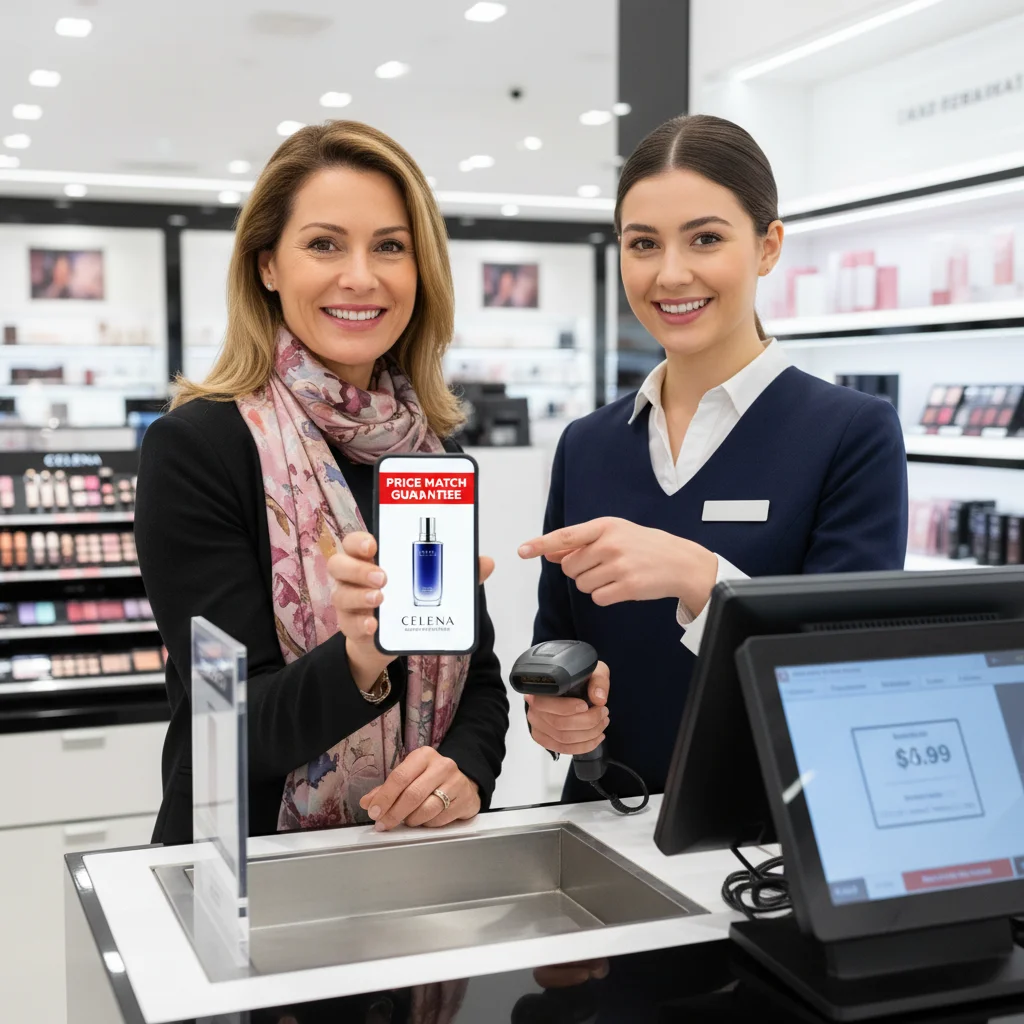
Approach a customer service representative or cashier. Politely state your intention to price match and present your evidence. Be prepared to wait a few minutes while they verify the price. Maintain a friendly and patient demeanor.
Online/Via Phone:
Many retailers offer online chat support or a dedicated phone line for price match requests. Be ready to provide product details, the competitor’s name, and the direct link to the lower price. Some online forms may require you to upload screenshots.
Step 6: Complete the Purchase
Once the price match is approved, complete your purchase at the lower price. Double-check your receipt or order confirmation to ensure the price adjustment was applied correctly.
Step 7: Post-Purchase Price Adjustment (If Applicable)
If you discover a lower price within the retailer’s post-purchase adjustment window, follow their specific instructions for requesting a refund of the difference. This usually involves contacting customer service with your original receipt and proof of the new lower price.
Common Pitfalls and How to Avoid Them
While Beauty Product Price Matching can be highly rewarding, there are common hurdles that can trip up even the most prepared shopper. Knowing these in advance can help you navigate them successfully:
• Out-of-Stock Items:
The competitor’s item must be in stock. If it’s not, the price match will likely be denied. Always verify availability before attempting a match.
• Third-Party Sellers:
Many retailers will only price match against other direct retailers, not against third-party sellers on marketplaces like Amazon or eBay. Read the policy carefully.
• Expired Ads or Prices:
Ensure your proof of price is current and valid. An outdated advertisement or a price that has since changed will not be accepted.
• Membership Requirements:
If a competitor’s lower price requires a paid membership (e.g., a wholesale club), your target retailer may not honor it unless they have a specific policy for those instances.
• Geographical Restrictions:
Some policies specify that the competitor must be within a certain radius or operate within the same country. This is more common for brick-and-mortar stores.
• Misunderstanding the Policy:
The biggest pitfall is simply not knowing or misunderstanding the retailer’s specific rules. A few minutes spent reviewing the policy can save a lot of time and frustration.
• Attitude:
Retail employees are more likely to assist a polite and understanding customer. Be respectful, even if a price match is denied. There might be a valid reason, and a good attitude can sometimes lead to alternative solutions.
Maximizing Your Savings Beyond Price Matching
While Beauty Product Price Matching is a powerful tool, it’s just one component of a comprehensive savings strategy. To truly maximize your beauty budget in 2026, consider these additional tactics:
1. Combine with Coupons and Promotions:
Some retailers allow price matching to be combined with certain coupons or loyalty rewards. Always ask! This can lead to even deeper discounts.
2. Shop During Sales Events:
Black Friday, Cyber Monday, holiday sales, and seasonal clearances are excellent times to find significant markdowns. Use these sales as your baseline for finding even lower prices to match.
3. Utilize Cash-Back Programs:
Platforms like Rakuten, TopCashback, and various credit card rewards programs offer cash back on your purchases. Combine this with price matching for double the savings.
4. Explore Subscription Services:
For regularly used items, subscription services often provide a discount and the convenience of auto-delivery. While not direct price matching, it’s a way to secure a consistent lower price.
5. Consider Dupe Products:
Sometimes, a direct price match isn’t possible for a high-end item. Researching ‘dupes’ (duplicate products with similar formulations or effects at a lower price point) can be a smart alternative.
6. Buy Travel Sizes First:
Before committing to a full-size, expensive product, try the travel size. This saves money if the product doesn’t work out and prevents you from needing to price match a large, unwanted item.
The Future of Beauty Product Price Matching: What to Expect
Looking ahead, Beauty Product Price Matching is likely to become even more sophisticated. We can anticipate:
- Hyper-Personalized Deals: AI will likely play a greater role in offering personalized price matches or discounts based on individual shopping history and preferences.
- Blockchain for Price Verification: While still nascent, blockchain technology could potentially offer immutable records of pricing, making verification instant and undeniable.
- Augmented Reality Shopping: Imagine scanning a product in-store with your phone, and an AR overlay instantly shows you prices from all eligible competitors.
- Increased Automation: The process of requesting and approving price matches will likely become even more automated, reducing friction for both consumers and retailers.
- Ethical Sourcing & Pricing: As consumers become more conscious, there might be a push for price matching policies that also consider the ethical sourcing and sustainable practices of competitors.
These advancements promise an even more transparent and consumer-friendly shopping experience, making Beauty Product Price Matching an indispensable skill for the discerning shopper of 2026 and beyond.
Conclusion: Your Path to Unbeatable Beauty Deals
In 2026, securing the lowest price on your favorite beauty products is not just a dream; it’s an achievable reality through strategic Beauty Product Price Matching. By understanding retailer policies, leveraging advanced digital tools, and approaching the process with confidence and preparation, you can unlock significant savings and elevate your beauty routine without overspending.
Remember, the power is in your hands. A little research, a clear understanding of the rules, and a proactive approach can transform you into a savvy beauty shopper who never pays full price again. Embrace the art of price matching, and enjoy the satisfaction of knowing you’re always getting the best possible deal on the beauty essentials that make you look and feel your best. Happy shopping, and here’s to a beautiful, budget-friendly 2026!