Maximize Loyalty Rewards 2026: 7 Strategies for U.S. Shoppers

The 2026 Guide to Maximizing Loyalty Program Rewards: 7 Key Strategies for U.S. Shoppers
In the ever-evolving landscape of consumer spending, loyalty programs have become more than just an added perk; they are an integral part of a smart financial strategy. For U.S. shoppers in 2026, understanding how to effectively maximize loyalty rewards can translate into significant savings, exclusive experiences, and a greater return on everyday purchases. The sheer volume and variety of programs, from airline miles to retail points and credit card cashback, can be overwhelming. However, with a strategic approach, you can turn this complexity into a powerful tool for financial optimization.
This comprehensive guide is designed to equip you with the knowledge and actionable strategies needed to navigate the 2026 loyalty program environment. We’ll delve into the nuances of earning, redeeming, and managing your rewards, ensuring you’re not leaving any value on the table. Whether you’re a seasoned points hacker or just starting your journey into the world of rewards, these seven key strategies will help you transform your spending into a more rewarding experience.
1. Strategic Program Selection: Not All Rewards Are Created Equal
The first and arguably most crucial step to maximize loyalty rewards is to be selective about the programs you join. In 2026, the market is saturated with options, and joining every program you encounter will only lead to diluted benefits and forgotten points. Instead, focus on programs that align with your actual spending habits and lifestyle. Ask yourself:
- Where do I spend most of my money? Identify your top spending categories – groceries, travel, dining, specific retailers, etc.
- What are my financial goals? Are you saving for a big trip, looking for everyday discounts, or aiming for premium experiences?
- What kind of rewards do I value most? Cashback, travel points, free products, exclusive access, or a combination?
For instance, if you travel frequently, airline and hotel loyalty programs, coupled with co-branded credit cards, should be a priority. If your budget is primarily spent on groceries and household items, supermarket loyalty programs and general cashback credit cards will offer more tangible benefits. Don’t underestimate the power of smaller, niche programs if they cater to significant portions of your spending. Many local businesses also offer loyalty programs that can provide excellent value if you’re a regular customer.
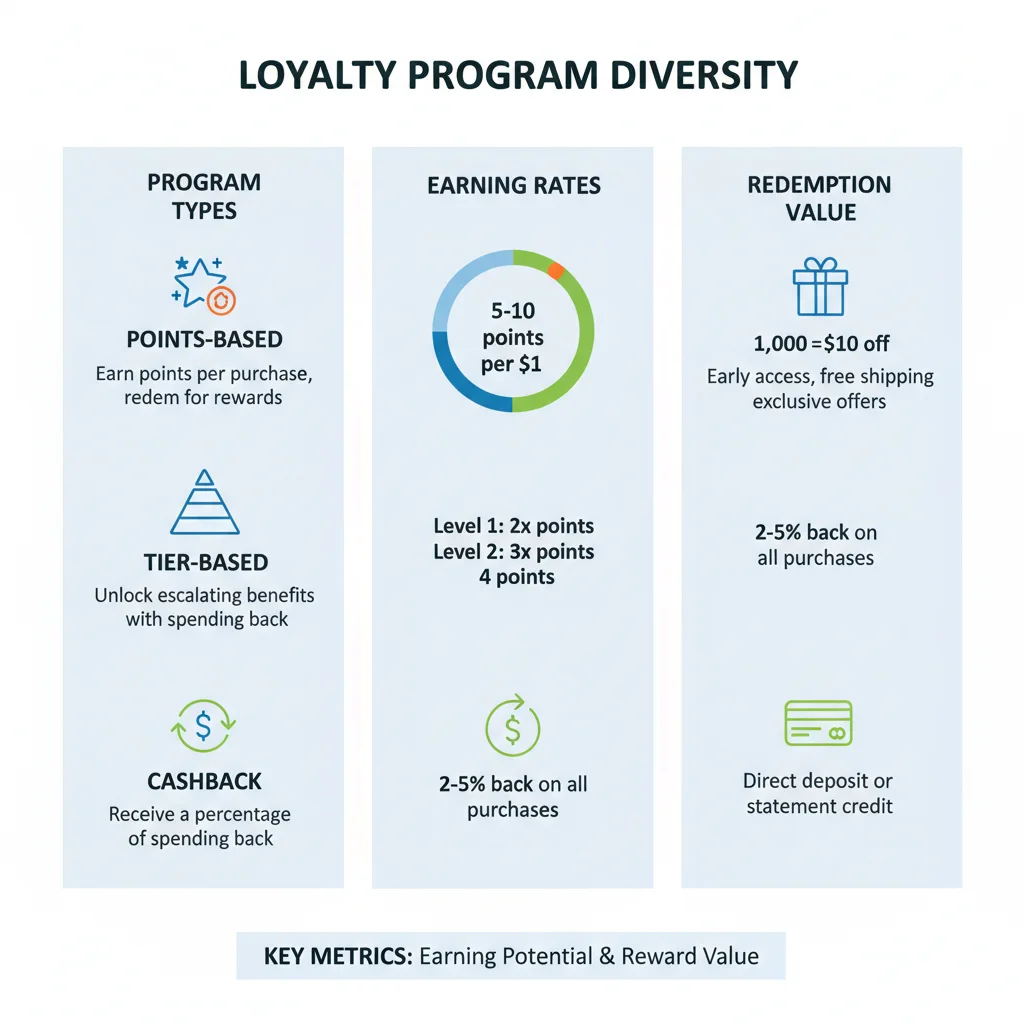
Furthermore, pay close attention to the program’s structure. Are they points-based, tier-based, or cashback? Understand the earning rates and, more importantly, the redemption values. A program offering seemingly high points might have poor redemption rates, making it less valuable than one with fewer points but higher actual worth. Look for transparency in how points are valued and redeemed. This initial discerning selection process lays the groundwork for all subsequent strategies to successfully maximize loyalty rewards.
2. Leverage Credit Cards for Accelerated Earning
Credit cards are often the backbone of any successful strategy to maximize loyalty rewards. In 2026, the market offers an unparalleled array of rewards credit cards, each tailored to different spending patterns and reward preferences. The key is to choose cards that complement your existing loyalty programs and offer accelerated earning in your high-spending categories.
Co-Branded vs. General Rewards Cards
Co-branded credit cards, issued in partnership with airlines, hotels, or retailers, are excellent for earning specific loyalty points faster. For example, an airline co-branded card will typically offer bonus miles on airline purchases, free checked bags, and priority boarding, directly enhancing your travel experience and accelerating your path to free flights. Similarly, retail co-branded cards can offer significant discounts or bonus points at that specific retailer.
General rewards cards, on the other hand, offer more flexibility. These often come in the form of cashback cards, or cards that earn transferable points (e.g., Chase Ultimate Rewards, American Express Membership Rewards). Transferable points are incredibly valuable because they can often be converted to various airline or hotel loyalty programs, offering flexibility to choose the best redemption option at any given time. This flexibility is crucial for adapting to changing travel plans or maximizing the value of your points for specific trips or purchases.
Understanding Bonus Categories and Sign-Up Bonuses
Many rewards cards offer rotating bonus categories (e.g., 5% cashback on groceries one quarter, then gas stations the next) or fixed bonus categories (e.g., 3x points on dining). Aligning your spending with these categories is vital. Keep track of your cards’ bonus calendars and adjust your payment methods accordingly. For everyday spending outside of bonus categories, a flat-rate cashback card or a card offering 1.5x or 2x points on all purchases can be a solid choice.
Don’t overlook the power of sign-up bonuses. These are often the quickest way to accumulate a large sum of points or cashback. Carefully evaluate the spending requirements to ensure they fit within your normal budget, avoiding unnecessary debt. Churning (applying for new cards solely for bonuses) can be a strategy, but requires careful credit management and understanding of issuer rules.
Remember, responsible credit card use is paramount. Always pay your balances in full and on time to avoid interest charges that can quickly negate any rewards earned. The goal is to maximize loyalty rewards without incurring debt.
3. Optimize Redemption Strategies: Value Over Volume
Earning points is only half the battle; knowing how to redeem them for maximum value is where true optimization lies. Many consumers simply redeem points for the easiest option, often missing out on significantly better returns. To maximize loyalty rewards, you need a strategic redemption plan.
Understanding Point Valuations
Not all points are created equal, and their cash value can vary wildly depending on the program and how you redeem them. For example, airline miles often yield the highest value when redeemed for international business or first-class flights, where the cash price would be exorbitant. Redeeming them for a domestic economy flight might offer a lower per-point value but could still be a good deal if it fits your travel needs.
Cashback is straightforward (1 point = 1 cent), but other points can range from 0.5 cents to 5 cents or more per point. Tools and websites exist that track average point valuations for major programs. Familiarize yourself with these benchmarks to make informed decisions. Avoid redeeming points for gift cards or merchandise unless the per-point value is exceptionally high, as these options often offer the lowest return.
Timing Your Redemptions
Just as you strategize earning, you should strategize redeeming. For travel rewards, booking far in advance or being flexible with dates can often unlock better award availability and lower point requirements. Look for off-peak redemption opportunities. For retail points, save them for large purchases or during promotional periods where you might get extra value (e.g., 20% off when redeeming points during a specific week).
Be aware of any expiration policies for your points. While many programs have generous policies, some points can expire due to inactivity or after a certain period. Don’t let your hard-earned rewards vanish. Proactive tracking (discussed later) is key here.
Consider the opportunity cost. Is redeeming points for a small discount now worth more than saving them for a larger, more impactful redemption later? This often depends on your financial situation and immediate needs. The goal is always to get the most utility and value out out of every point to truly maximize loyalty rewards.
4. Stack Offers and Promotions for Exponential Gains
One of the most powerful ways to maximize loyalty rewards in 2026 is by stacking multiple offers and promotions. This involves combining various discounts, bonus points, and cashback opportunities on a single purchase, leading to exponential savings and rewards accumulation. Think of it as a financial layering strategy.
Online Shopping Portals and Browser Extensions
Before making any online purchase, always check cashback portals (e.g., Rakuten, TopCashback, Honey). These portals offer a percentage of your purchase back as cashback or points simply for clicking through their link. Crucially, this cashback often stacks with credit card rewards and retailer loyalty program earnings. For example, you might earn 5% cashback from a portal, 2x points on your credit card, and points in the retailer’s own loyalty program, all on one transaction.
Browser extensions can automate this process, alerting you to available cashback or coupon codes as you shop. While convenient, always double-check that the extension is activating the best possible deal and that it’s compatible with other stacking opportunities you’re pursuing.
Coupons, Sales, and Loyalty Program Bonuses
Combine manufacturer coupons, in-store or online sales, and retailer-specific loyalty program bonuses. Many retailers offer special bonus point events (e.g., “earn 3x points on all beauty products this week”), which can be combined with a coupon you found and paid for with your rewards credit card. This multi-pronged approach significantly boosts your effective savings and point accumulation.
For example, imagine a scenario: you find a 20% off coupon for your favorite store, the store is having a “double points” event for loyalty members, and you pay with a credit card that offers 2x points on retail purchases. Furthermore, you clicked through a shopping portal offering 5% cashback. All these benefits can often be applied to a single transaction, turning a regular purchase into a highly rewarding one. This meticulous planning is key to truly maximize loyalty rewards.
5. Stay Informed and Adapt to Changes
The world of loyalty programs is dynamic. Programs change earning rates, redemption values, and even their entire structure. To consistently maximize loyalty rewards, you must stay informed and be willing to adapt your strategies.
Follow Industry News and Blogs
Numerous blogs, forums, and websites are dedicated to tracking loyalty program news, credit card offers, and redemption sweet spots. Subscribing to newsletters from these sources can keep you updated on limited-time promotions, upcoming devaluations, and new program launches. Being among the first to know about a new lucrative sign-up bonus or a temporary transfer bonus can give you a significant advantage.
Understand Program Terms and Conditions
It’s tedious, but periodically reviewing the terms and conditions of your most valuable loyalty programs and credit cards is crucial. Pay attention to changes in earning rates, redemption charts, expiration policies, and elite status requirements. A small change in terms could significantly impact the value you get from a program.
Be Prepared for Devaluations
Devaluations, where the value of points or miles decreases, are an unfortunate but common occurrence. While frustrating, staying informed allows you to anticipate these changes and redeem your points before they lose value. For example, if an airline announces an upcoming change to its award chart, you might rush to book a desired flight at the current, more favorable rate. This proactive approach is essential for long-term success in maximizing your rewards.
Adapting also means being flexible with your program choices. If a program you heavily rely on significantly devalues its rewards, it might be time to shift your focus and spending to a more rewarding alternative. Don’t get stuck out of habit; always seek the best value.
6. Track and Organize Your Rewards
As you accumulate points across various programs and credit cards, keeping track of everything becomes increasingly challenging. Disorganization is the enemy of maximizing rewards, leading to forgotten points, missed expiration dates, and suboptimal redemptions. To effectively maximize loyalty rewards, robust tracking and organization are indispensable.
Utilize Spreadsheets or Dedicated Apps
A simple spreadsheet can be a powerful tool. List each loyalty program and credit card, along with:
- Your account number/username
- Current point balance
- Estimated point value (in USD)
- Expiration dates (if applicable)
- Recent earning and redemption activities
- Notes on specific goals (e.g., “saving for Hawaii trip”)
Alternatively, several apps and online tools are specifically designed to track loyalty points and miles across multiple programs. These aggregators can provide a consolidated view of your balances, alert you to expiring points, and sometimes even suggest optimal redemption options. Examples include AwardWallet, Points.com, or specific credit card issuer apps that integrate with travel partners. Choose a method that you’re comfortable with and commit to updating it regularly.
Set Reminders for Expiration Dates and Promotions
Don’t rely solely on memory. Use calendar reminders or the notification features of your tracking app for important dates. This includes:
- Point expiration dates
- Credit card annual fee dates (to decide whether to keep or cancel a card)
- Rotating bonus category activation dates
- Limited-time transfer bonuses or redemption sales
A missed expiration date means lost value. A missed promotion means lost earning potential. Diligent tracking and timely reminders ensure you capitalize on every opportunity to maximize loyalty rewards. This meticulous approach turns potential chaos into a streamlined, profitable system.

7. Understand Elite Status Benefits and Qualification
For frequent travelers or loyal customers of specific brands, achieving elite status within a loyalty program can unlock a host of valuable benefits that go far beyond basic point accumulation. These perks can significantly enhance your experience and provide outsized value, making it another critical strategy to maximize loyalty rewards.
Airline Elite Status
Airline elite status often comes with benefits like complimentary upgrades to premium cabins, priority boarding, extra baggage allowance, lounge access, and dedicated customer service lines. These benefits can transform your travel experience, making it more comfortable and less stressful. Qualification typically involves flying a certain number of miles or segments, or spending a specific amount with the airline, often within a calendar year.
Some premium travel credit cards also offer shortcuts to elite status or provide some elite benefits directly, such as lounge access or automatic mid-tier status in a hotel program. Evaluate if the annual fee of such a card is justified by the value of the benefits you’ll actually use.
Hotel Elite Status
Hotel loyalty programs offer elite tiers that provide benefits like complimentary room upgrades, late check-out, free breakfast, executive lounge access, and bonus points on stays. For regular travelers, these perks can lead to substantial savings and a much more luxurious stay. Qualification usually depends on the number of nights stayed or the amount spent at the hotel chain within a year.
Similar to airlines, many hotel co-branded credit cards offer automatic elite status (often mid-tier) or significant qualifying night credits, making it easier to achieve or maintain higher tiers without as much travel. If you consistently stay with one hotel brand, pursuing elite status can be incredibly rewarding.
Retailer VIP Programs
Beyond travel, many retailers also offer tiered VIP programs. Higher tiers might provide exclusive discounts, early access to sales, free shipping, personal shoppers, or special event invitations. While perhaps less glamorous than airline upgrades, these benefits can still provide tangible value if you’re a loyal customer of that particular brand.
Before chasing elite status, carefully calculate if the effort and potential cost (e.g., choosing a slightly more expensive airline purely for status) are worth the benefits you’ll receive. Focus on programs where you can naturally achieve status through your existing spending and travel patterns to truly maximize loyalty rewards without overspending.
The Future of Loyalty Programs in 2026 and Beyond
As we look towards the future, loyalty programs in 2026 are becoming increasingly personalized and technologically advanced. Expect more AI-driven recommendations, seamless integration with digital wallets, and perhaps even blockchain-based reward systems that offer greater transparency and transferability. The trend towards experiential rewards and personalized offers based on consumer data will also continue to grow.
To stay ahead, U.S. shoppers should remain agile, continuously educating themselves on new program features and shifts in the rewards landscape. The strategies outlined in this guide – strategic selection, credit card optimization, smart redemption, stacking offers, staying informed, diligent tracking, and understanding elite benefits – form a timeless framework for success.
By consciously applying these seven key strategies, you won’t just be collecting points; you’ll be actively managing a valuable asset. You’ll transform your everyday spending into a powerful engine for achieving your financial and lifestyle goals, ensuring you truly maximize loyalty rewards in 2026 and for years to come. Start implementing these strategies today, and watch your rewards grow.