Price Adjustment Refunds: Get Your Money Back on Price Drops
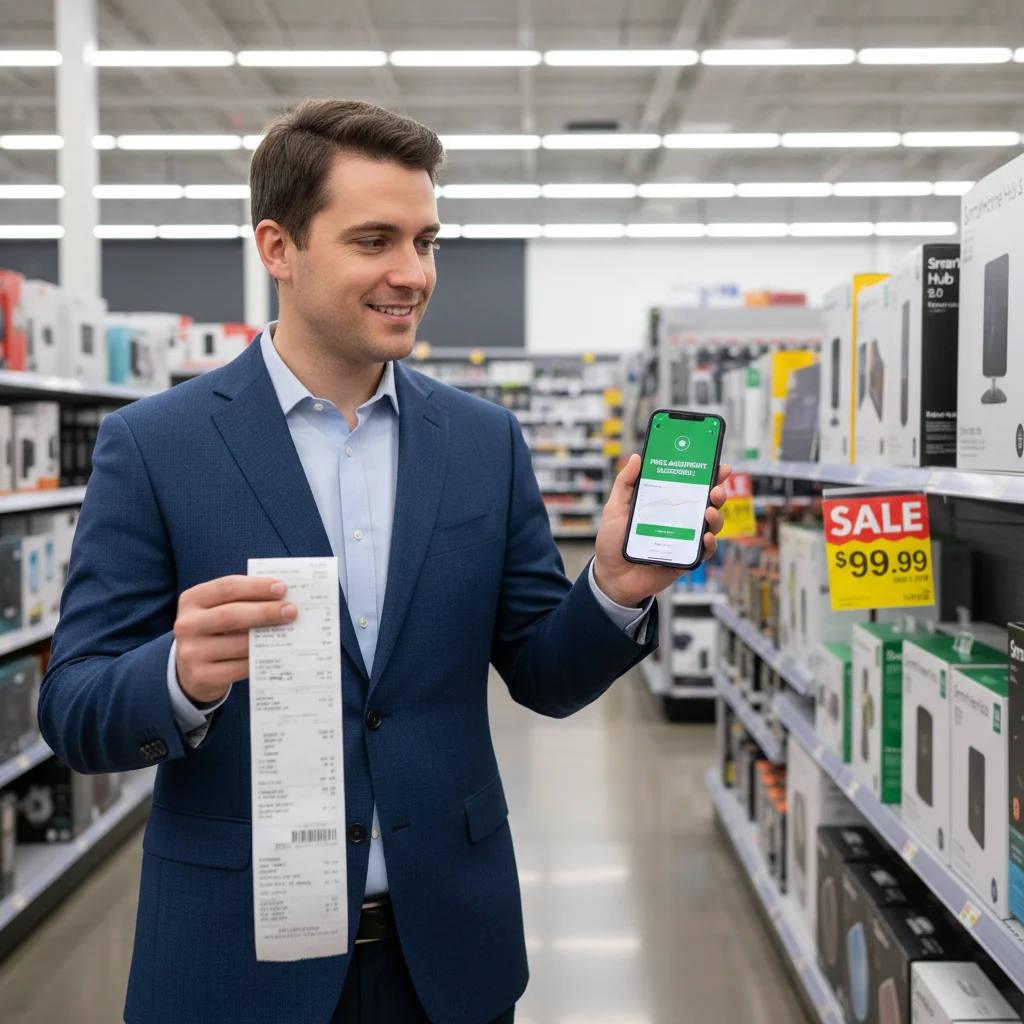
Understanding Price Adjustment Refunds: Your Guide to Getting Money Back on Price Drops
Have you ever bought something, only to see its price drop significantly a few days later? It’s a frustrating experience that many consumers face. But what if there was a way to get some of that money back? Enter the world of the price adjustment refund. This comprehensive guide will walk you through everything you need to know about price adjustments, helping you reclaim your hard-earned cash when prices fall after your purchase.
In today’s dynamic retail landscape, prices can fluctuate rapidly. Sales, promotions, and competitive pricing strategies mean that the price you pay today might not be the price tomorrow. Fortunately, many retailers offer a policy known as a price adjustment, which allows you to receive a refund for the difference if an item you’ve purchased goes on sale within a specified timeframe. Understanding these policies and knowing how to leverage them can lead to significant savings over time. This isn’t just about small purchases; imagine buying a new television or a major appliance, only for its price to drop by hundreds of dollars a week later. A successful price adjustment refund could mean a substantial return to your wallet.
What Exactly is a Price Adjustment Refund?
A price adjustment refund is a partial refund offered by retailers to customers who have purchased an item at a higher price, only for that item’s price to be reduced within a specific period after the purchase. Essentially, it’s a way for stores to ensure customer satisfaction and loyalty by not penalizing you for buying an item just before a sale begins. It’s a customer-friendly policy that acknowledges the unpredictability of retail pricing.
The core idea behind a price adjustment refund is fairness. No one wants to feel ripped off, especially when a store’s own pricing strategy causes the discrepancy. While not legally mandated in most places, it’s a common practice among reputable retailers who understand the value of a happy customer. These policies are often clearly outlined in a store’s return or price matching policies, though sometimes they require a bit of digging to find.
Why Do Retailers Offer Price Adjustments?
Retailers offer price adjustments for several key reasons, all centered around customer retention and competitive advantage:
- Customer Satisfaction: A primary goal for any business is to keep its customers happy. Discovering a lower price shortly after a purchase can lead to buyer’s remorse and a negative perception of the store. Offering a price adjustment refund mitigates this, turning a potentially negative experience into a positive one.
- Preventing Returns: Without a price adjustment policy, a customer might simply return the item they bought at the higher price and then repurchase it at the lower price. This creates extra work for the store (processing returns, restocking) and is less efficient than a simple price adjustment.
- Building Trust and Loyalty: When customers know they can rely on a store to honor lower prices, they are more likely to shop there again. It builds trust and fosters long-term loyalty, which is invaluable in a competitive market.
- Competitive Edge: In an age where price comparison is just a click away, offering a strong price adjustment policy can be a differentiator. It shows that the store stands behind its pricing and values its customers’ financial well-being.
- Minimizing Negative Word-of-Mouth: Unhappy customers can quickly spread negative reviews online and offline. A fair price adjustment policy helps prevent this, protecting the retailer’s reputation.
Eligibility for a Price Adjustment Refund: Key Factors
While the concept of a price adjustment refund is straightforward, eligibility often depends on several factors. These can vary significantly from one retailer to another, so it’s crucial to understand the common criteria:
1. The Purchase Window
This is perhaps the most critical factor. Retailers typically set a specific timeframe within which a price drop qualifies for an adjustment. This window commonly ranges from 7 to 30 days, with 14 days being a very common standard. If the price drops outside this window, you’re usually out of luck. Always check the store’s policy for their exact timeframe.
2. Proof of Purchase
You will almost always need your original receipt or proof of purchase. This verifies the item, the original price paid, and the date of purchase. Keep your receipts, especially for larger purchases, until you’re confident the price won’t drop further within the adjustment window.
3. Identical Item
The item you purchased must be identical to the item now being sold at a lower price. This means the same brand, model number, color, size, and condition. For example, if you bought a new television, and a refurbished version of the same model goes on sale, it probably won’t qualify for a price adjustment refund.
4. Type of Price Drop
Most price adjustment policies cover general sales, promotional discounts, and permanent price reductions. However, some exclusions may apply:
- Clearance/Final Sale Items: Often, items marked as clearance or final sale are excluded, as these are usually already at their lowest possible price to clear inventory.
- Limited-Time Offers/Door Busters: Special, very short-term sales or ‘doorbuster’ deals, especially around holidays like Black Friday, might be excluded due to their extremely limited nature.
- Online vs. In-Store Pricing: Some retailers have different pricing for their online and physical stores. Ensure the price drop you’re referencing applies to the channel where you made your purchase.
- Third-Party Sellers: If you bought an item from a third-party seller on a platform like Amazon or eBay, the platform’s price adjustment policy (if any) or the seller’s individual policy would apply, not the brand’s general policy.
5. Payment Method
While less common as an exclusion, some retailers might have specific rules if you paid with gift cards or certain promotional credit. Generally, paying with a credit card or debit card simplifies the refund process.
How to Find Price Adjustment Policies
Before you even make a purchase, or certainly within the first few days after, it’s wise to check a retailer’s price adjustment policy. Here’s where to look:
- Retailer’s Website: Most major retailers have a dedicated section on their website for ‘Returns,’ ‘Refunds,’ ‘Price Matching,’ or ‘Store Policies.’ The price adjustment policy is usually found within one of these sections. Use the search bar on their site if you can’t find it easily.
- In-Store Signage: Some stores might have their policies posted at customer service desks or near checkout counters.
- Ask Customer Service: If you’re unsure or can’t find the information, don’t hesitate to call or chat with a customer service representative. They can clarify the policy and its specifics.
- Terms and Conditions: For online purchases, the terms and conditions or FAQs often contain this information.
Step-by-Step Guide to Claiming Your Price Adjustment Refund
Once you’ve identified a price drop and confirmed your eligibility, claiming your price adjustment refund is usually a straightforward process. Follow these steps:
Step 1: Monitor Prices
This is the proactive part. After making a significant purchase, keep an eye on the item’s price. Many people do this manually by checking the store’s website or ads. However, there are also tools and apps designed to help:
- Price Tracking Apps/Browser Extensions: Several apps and browser extensions (like Honey, CamelCamelCamel for Amazon, or specific store apps) can track prices for you and alert you when they drop.
- Email Subscriptions: Sign up for email newsletters from retailers where you’ve made purchases. They often announce upcoming sales.
Step 2: Gather Your Documentation
Once you spot a lower price, collect everything you need:
- Original Receipt: This is paramount.
- Proof of Current Lower Price: This could be a screenshot of the item on the retailer’s website showing the new price, a link to the product page, a photo of an in-store sale tag, or a copy of an advertisement. Make sure the date of the lower price is visible and within the adjustment window.
Step 3: Contact the Retailer
There are several ways to initiate a price adjustment refund claim:
- In-Store: The most common method. Take your receipt and proof of the lower price to the customer service desk. Be polite but firm.
- Online/Chat: For online purchases, many retailers offer online chat support or a dedicated email address for price adjustments. Be prepared to provide your order number and links to the lower-priced item.
- Phone: You can call the customer service line. Have all your information ready, including product details, order number, and the lower price.
Step 4: Be Prepared to Explain
Clearly state that you are requesting a price adjustment due to a recent price drop. Provide all your documentation. If there’s any confusion, politely refer to their published price adjustment policy (if you’ve found it). Most representatives are familiar with these requests and will process them efficiently.
Step 5: Confirm the Refund
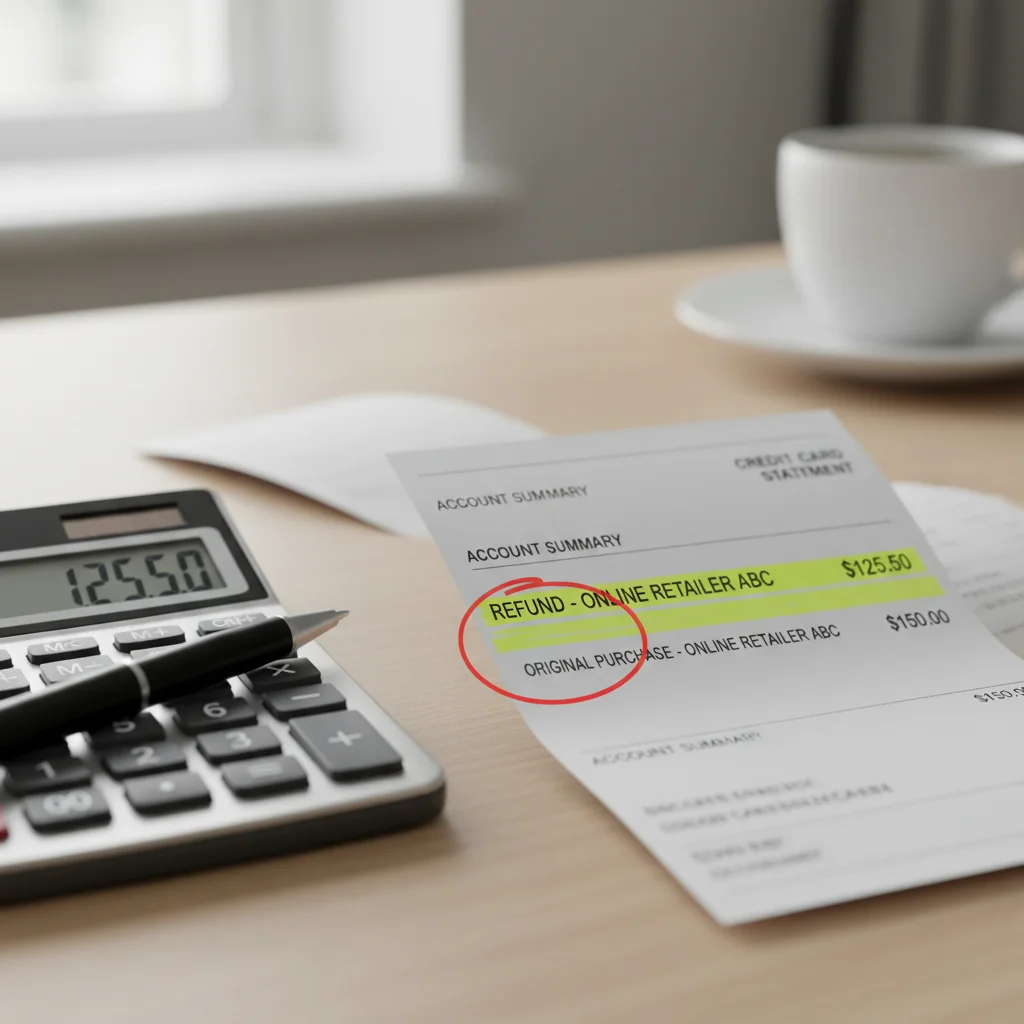
Once the adjustment is approved, confirm how and when you will receive the refund. It’s usually credited back to your original payment method. Keep an eye on your bank or credit card statement to ensure the refund appears within the estimated timeframe.
Common Retailers with Price Adjustment Policies
While policies can change, many major retailers are known for offering price adjustments. Here’s a general overview, but always verify current policies:
- Amazon: Amazon’s policy has historically been complex for direct price adjustments. For items sold directly by Amazon, they often don’t offer price adjustments for general price drops. However, if an item you purchased goes on sale *before* it ships, they might automatically adjust the price. For third-party sellers, it’s up to the individual seller. For electronics, Amazon often has a 7-day window for their own devices (like Kindle, Echo). It’s best to use price tracking tools for Amazon to repurchase if the price drops significantly and return the original.
- Target: Target generally offers price adjustments for items that go on sale within 14 days of purchase. They also price match against select online competitors.
- Best Buy: Best Buy offers price adjustments for items that drop in price within their return and exchange period (typically 15 days for most customers, longer for Elite/Elite Plus members). They also have a robust price match guarantee against local competitors and major online retailers.
- Walmart: Walmart’s policy often extends to 7 days for price adjustments on items that drop in price in their stores. Their online price matching policy is more geared towards matching competitor prices at the time of purchase rather than post-purchase adjustments.
- Macy’s: Macy’s typically offers a 10-14 day window for price adjustments if an item you purchased goes on sale.
- Nordstrom: Known for excellent customer service, Nordstrom usually offers price adjustments within their return window, often up to 14 days.
- Kohl’s: Kohl’s often provides price adjustments for items that go on sale within 14 days of purchase, provided you have the original receipt.
Important Note: Always check the current, official policy on the retailer’s website or directly with their customer service, as these policies are subject to change without prior notice.
Maximizing Your Price Adjustment Potential
To get the most out of price adjustment refund policies, consider these tips:
- Understand the Return Window: If a store doesn’t offer a price adjustment, or if the price drops outside the adjustment window but within the return window, you might still be able to benefit. You could return the item and repurchase it at the lower price. This is more hassle but can be worth it for significant savings.
- Use Credit Card Price Protection: Many credit cards offer a ‘price protection’ benefit. If an item you bought with the card drops in price within a certain period (e.g., 60 or 90 days), the credit card company will refund you the difference, even if the retailer doesn’t. This can be a powerful backup! Check your credit card benefits guide to see if you have this perk.
- Keep Digital Receipts: Opt for email receipts whenever possible. They are easier to store, search for, and won’t fade like paper receipts.
- Track High-Value Purchases: For expensive items like electronics, appliances, or furniture, the potential savings from a price adjustment are much higher. Make a conscious effort to track these prices.
- Be Patient but Act Fast: While you need to be patient for a price drop, once you spot one, act quickly. Don’t wait until the last day of the adjustment window, as you might encounter unexpected delays or policy changes.
Potential Challenges and How to Overcome Them
While generally straightforward, you might encounter some challenges when seeking a price adjustment refund:
- Policy Exclusions: As mentioned, certain types of sales or items might be excluded. If a representative denies your request based on an exclusion, politely ask them to point out where this exclusion is stated in their official policy.
- Lack of Documentation: Without a receipt or clear proof of the lower price, your claim will likely be denied. This emphasizes the importance of keeping records.
- Uninformed Staff: Occasionally, you might encounter a customer service representative who is not fully aware of the store’s price adjustment policy. In such cases, politely ask to speak with a supervisor. Often, a manager will have a better understanding or more discretion.
- Online vs. In-Store Discrepancies: If you bought an item in-store and found a lower price online (or vice-versa), and the retailer has separate pricing, they might deny the adjustment. Clarify this when you make your purchase if you anticipate a price drop.
- Timing Issues: If you miss the adjustment window by a day or two, some retailers might still honor it out of goodwill, especially if you’re a loyal customer. It never hurts to ask politely, but be prepared for a ‘no.’

The Financial Benefits of Price Adjustments
The cumulative savings from utilizing price adjustment policies can be significant. Imagine saving $20 here, $50 there, and maybe even $100 or more on larger purchases throughout the year. These small savings add up, contributing to your overall financial well-being. It’s a smart consumer habit that requires minimal effort for potentially substantial rewards.
Beyond the direct financial benefit, successfully navigating a price adjustment refund empowers you as a consumer. It gives you confidence in your purchasing decisions, knowing that you have a safety net against immediate price fluctuations. It transforms the frustrating experience of seeing a price drop into a satisfying moment of smart saving.
Conclusion: Be a Savvy Shopper with Price Adjustments
The world of retail is constantly changing, but with the right knowledge, you can always stay ahead. Understanding and utilizing the price adjustment refund policy is a prime example of smart shopping. It’s not about being cheap; it’s about being financially intelligent and ensuring you get the best value for your money.
By monitoring prices, keeping meticulous records, and knowing how to approach retailers, you can effectively reclaim money when prices fall. Don’t let those post-purchase price drops leave you with buyer’s remorse. Instead, turn them into opportunities to save. Make price adjustments a regular part of your shopping strategy, and watch your savings grow.
Remember, always check the specific policies of the retailers you frequent, as they can vary. A little bit of research and proactive monitoring can go a long way in ensuring you never overpay for an item again. Happy saving!