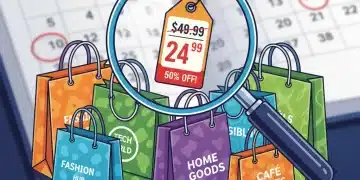
Mastering Price Adjustments: Save 20% on Your 2026 Wardrobe

Mastering Price Adjustments: Your Ultimate Guide to Saving 20% on Your 2026 Wardrobe
In the dynamic world of retail, prices fluctuate constantly. What you buy today at full price might be on sale tomorrow, or even cheaper next week. For the savvy shopper, this isn’t a cause for frustration but an opportunity. Welcome to the world of price adjustment savings, a powerful tool that can help you reclaim a significant portion of your hard-earned money and build your dream 2026 wardrobe without breaking the bank. Forget simply waiting for sales; mastering price adjustments is about proactively ensuring you always pay the lowest possible price.
Imagine purchasing a stunning new coat for your winter collection, only to see it discounted by 25% a few days later. Most people would shrug it off, perhaps feeling a pang of regret. But what if you could easily get that 25% back? That’s the magic of price adjustments. This comprehensive guide will delve deep into the art and science of securing price adjustment savings, teaching you how to save 20% or even more on your fashion investments for 2026. We’ll cover everything from understanding store policies to leveraging technology and developing a strategic approach to your shopping.
What Exactly Are Price Adjustments and How Do They Work?
A price adjustment, often referred to as a price match or price protection, is a retail policy where a store refunds you the difference if an item you’ve recently purchased goes on sale for a lower price within a specific timeframe after your purchase. This policy is a retailer’s way of building customer loyalty and confidence, assuring shoppers that they won’t be penalized for buying an item only to see its price drop shortly after.
The mechanics are usually straightforward: you buy an item, the price drops, you present your original receipt within the store’s stipulated window, and they issue you a refund for the price difference. While the concept is simple, the execution requires a keen eye and a strategic approach to truly maximize your price adjustment savings.
Not all stores offer price adjustments, and those that do often have varying policies regarding the eligible timeframe, exclusions (e.g., clearance items, doorbuster sales), and the method of refund. Understanding these nuances is the first crucial step in becoming a price adjustment pro. We’ll explore how to identify stores with favorable policies and how to navigate those that are less straightforward.
Why Price Adjustments Are Your Secret Weapon for 2026 Fashion
In an era where fast fashion cycles and seasonal sales are the norm, prices are in constant flux. This volatility, while sometimes frustrating, presents a golden opportunity for significant savings. By actively pursuing price adjustment savings, you can effectively buy items when you need them or when they are available in your size, without the anxiety of missing out on a future sale. This strategy allows you to build a cohesive and stylish 2026 wardrobe on your terms, rather than being dictated by unpredictable sale schedules.
- Guaranteed Best Price: You ensure you’re always paying the lowest price offered by the retailer within the adjustment window.
- Reduced Buyer’s Remorse: No more regretting a purchase because it went on sale days later.
- Budget Extension: The money you get back can be reinvested into other wardrobe essentials, accessories, or even saved for future splurges.
- Strategic Shopping: You can buy popular items before they sell out, knowing you can still get the sale price later.
- Sustainable Fashion: By getting the best price, you can afford higher quality, more durable pieces that last longer, reducing the need for constant replacements.
Think of it as a proactive form of budgeting. Instead of hoping for a sale, you’re actively creating one for yourself, ensuring that your 2026 wardrobe is not only fashionable but also financially intelligent. The goal isn’t just to save a few dollars here and there, but to accumulate substantial price adjustment savings that can genuinely impact your overall fashion budget.
Identifying Retailers with Favorable Price Adjustment Policies
The cornerstone of successful price adjustment savings lies in knowing which retailers offer them and understanding their specific terms. While many major department stores and online retailers have such policies, they differ significantly. Here’s how to do your research:
Major Department Stores
Many traditional department stores are excellent candidates for price adjustments. Retailers like Nordstrom, Macy’s, Bloomingdale’s, and Saks Fifth Avenue often have clear policies. Nordstrom, for example, is renowned for its customer-friendly approach, often honoring price adjustments even beyond typical windows if the circumstances are reasonable. Always check their customer service pages or inquire directly.
Online Retailers
The online shopping landscape is a mixed bag. Amazon, for instance, generally does not offer price adjustments on items sold directly by Amazon, as their prices change so frequently. However, third-party sellers on Amazon might have their own policies. Other online-only retailers like ASOS or Zappos might have different approaches. It’s crucial to check their FAQs or terms and conditions before purchasing.
Specialty Boutiques and Brand Stores
Smaller boutiques or individual brand stores (e.g., a specific designer’s standalone shop) may have less formalized policies. Sometimes, a polite inquiry can yield positive results, especially if you are a loyal customer. However, don’t expect the same consistency as larger chains.
Key Policy Elements to Look For:
- Adjustment Window: How many days after purchase can you request an adjustment? (e.g., 7 days, 14 days, 30 days)
- Proof of Purchase: Is a physical receipt required, or is an email confirmation sufficient?
- Exclusions: Are there certain items (e.g., final sale, limited-time promotions) that are not eligible?
- Method of Refund: Is it store credit, original payment method, or gift card?
- Online vs. In-Store: Can an online purchase be adjusted in-store, or vice-versa?
Creating a small spreadsheet or note on your phone with the price adjustment policies of your favorite retailers can be incredibly helpful. This proactive research will save you time and ensure you’re always targeting the right stores for maximum price adjustment savings.
Step-by-Step Guide to Claiming Your Price Adjustments
Once you’ve identified a price drop and confirmed the retailer’s policy, claiming your refund is usually straightforward. Here’s a step-by-step approach:
1. Document Your Purchase Thoroughly
Keep all receipts, both physical and digital. For online purchases, save the order confirmation email and take screenshots of the product page at the time of purchase, noting the price. This documentation is your proof of purchase and original price.
2. Monitor Prices Diligently
This is where the real work (and the real savings) happens. After making a purchase, continue to check the retailer’s website or app for price changes on that specific item. Set a reminder for yourself to check daily or every few days within the adjustment window. Tools and apps (discussed later) can automate this process.
3. Identify the Price Drop
When you see the item listed at a lower price, take immediate action. Take a screenshot of the current lower price, ensuring the date and time are visible. Note the exact product name, SKU, and size/color to avoid any confusion.
4. Contact the Retailer
How you contact them depends on the retailer’s policy and your preference:
- In-Store: If you purchased in-store, bring your receipt and proof of the lower price to the customer service desk. Be polite but firm.
- Online Chat/Email: For online purchases, many retailers offer live chat support or a dedicated email address for price adjustments. Provide your order number, item details, and attach the screenshot of the lower price.
- Phone: Calling customer service is another option. Have all your information ready before you call.
5. Be Prepared and Persistent
Sometimes, customer service representatives might not be fully aware of the policy or might try to deny the adjustment. Politely refer to their published policy (if you have it handy) and explain your case clearly. If you encounter resistance, ask to speak with a supervisor. Most reputable retailers will honor their policy to maintain customer satisfaction.
By following these steps, you significantly increase your chances of successfully claiming your price adjustment savings. Consistency and organization are key to making this strategy work for your 2026 wardrobe goals.
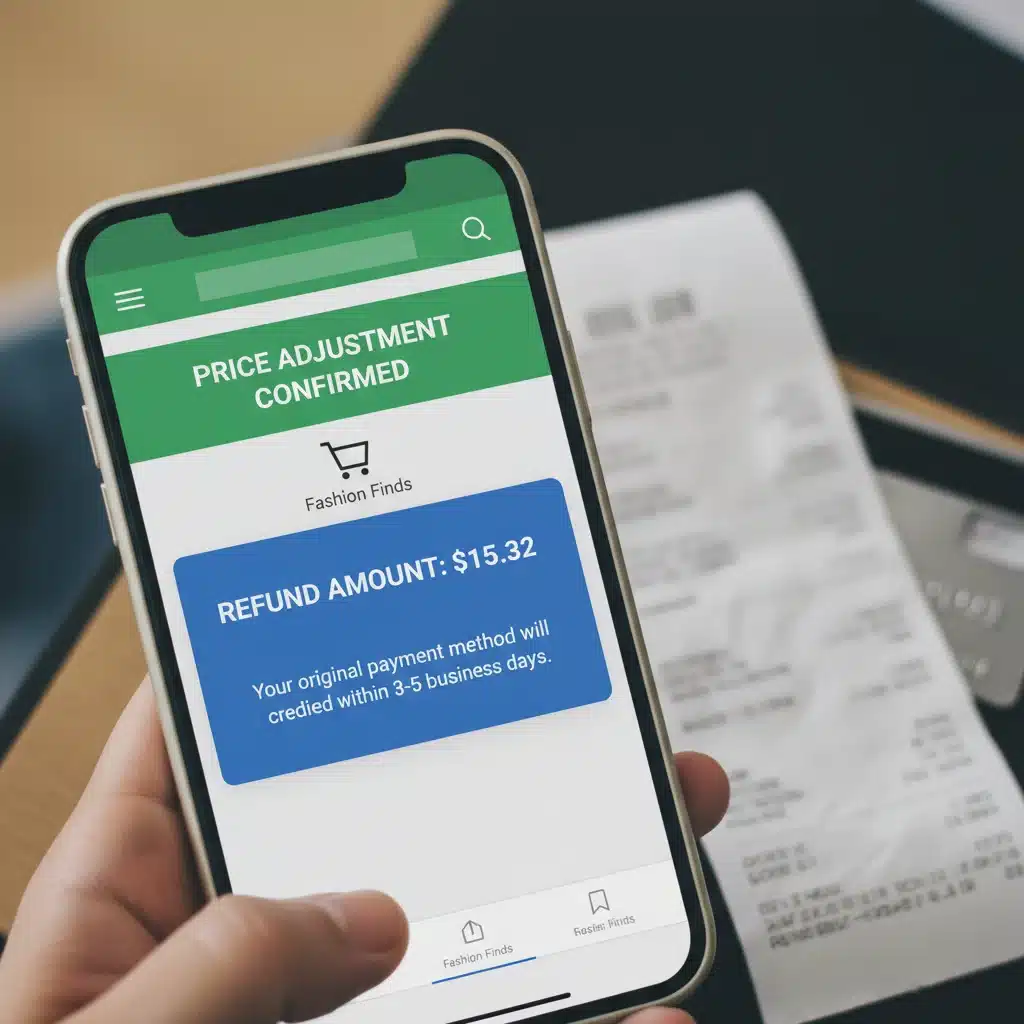
Leveraging Technology: Apps and Tools for Automated Price Monitoring
Manually checking prices for every item you buy can be tedious and time-consuming. Fortunately, technology has made it easier than ever to track price drops and maximize your price adjustment savings. Several apps and browser extensions are designed specifically for this purpose.
Price Tracking Apps and Websites:
- Paribus (now Capital One Shopping Price Protection): This popular service automatically tracks your purchases from linked email accounts and scans for price drops at supported retailers. If a price drops within the adjustment window, it helps you file a claim. This is a game-changer for automated savings.
- Honey: While primarily known for finding coupon codes, Honey also has a price tracking feature. You can add items to your “Droplist” and receive notifications when prices change.
- CamelCamelCamel: Specifically for Amazon, this tool tracks price history and alerts you when prices drop on items you’re watching. While Amazon itself doesn’t offer price adjustments, third-party sellers sometimes do, and this tool helps you spot those opportunities.
- ShopSavvy: This app allows you to scan barcodes in-store or search for products online to compare prices across different retailers. It can be useful for initial price comparisons and for monitoring.
Browser Extensions:
Many of the apps mentioned above also offer browser extensions that integrate seamlessly with your online shopping experience, making it easier to add items to watch lists or identify price drops as you browse.
Don’t underestimate the power of a simple wishlist. Many retailers allow you to save items to a wishlist and will send you email notifications when those items go on sale. While not a direct price adjustment, it helps you monitor prices and potentially make a purchase at a lower initial cost.
By integrating these technological tools into your shopping routine, you can significantly reduce the effort required to track price changes, making price adjustment savings a passive yet powerful component of your overall budgeting strategy for your 2026 wardrobe.
Advanced Strategies for Maximizing Your 2026 Wardrobe Savings
Beyond the basics, there are several advanced tactics you can employ to amplify your price adjustment savings and truly optimize your fashion budget for 2026.
1. Strategic Timing of Purchases
If you know a major sale event (e.g., Black Friday, Cyber Monday, seasonal clearances) is approaching, consider buying items just before the sale, especially if they are popular and likely to sell out. Then, when the sale hits, you can request a price adjustment. This ensures you get the item you want in your size and color, at the best possible price.
2. Utilizing Credit Card Price Protection
Many credit cards offer their own price protection benefits, independent of the retailer’s policy. If you purchase an item with an eligible credit card and its price drops within a certain timeframe (often 60-90 days), your credit card company may refund you the difference. This can be a fantastic backup or even primary strategy, especially for retailers with strict or non-existent price adjustment policies. Check your credit card benefits guide or contact your issuer to understand their specific terms and conditions. This is a powerful layer of protection for your price adjustment savings.
3. Understanding "Final Sale" and "Clearance" Nuances
Most retailers exclude "final sale" or "clearance" items from price adjustments. However, sometimes an item might be marked down significantly but not explicitly labeled "final sale." Always read the fine print. If an item simply goes on a deeper discount but isn’t "final sale," it might still be eligible.
4. Bundling Purchases for Efficiency
If you’re buying multiple items from the same retailer, keep track of them together. When you monitor prices, you can check all items from that store simultaneously, streamlining the process of claiming multiple price adjustment savings at once.
5. Building Relationships with Sales Associates
For in-store purchases, developing a rapport with sales associates can sometimes lead to more flexibility or advanced notice of upcoming sales, which can be invaluable for strategic buying and subsequent adjustments. While not a guarantee, a friendly face can often help navigate store policies more smoothly.
6. Documenting Everything
We’ve mentioned this before, but it bears repeating for advanced strategies. Keep a detailed log of purchases, original prices, dates, and any subsequent price drops. This meticulous record-keeping is your best friend when advocating for your refunds and maximizing your price adjustment savings.
By combining these advanced strategies with diligent monitoring and a clear understanding of policies, you’ll transform your shopping habits into a highly efficient savings machine, ensuring your 2026 wardrobe is both stylish and budget-friendly.
Common Pitfalls to Avoid When Seeking Price Adjustments
While price adjustment savings offer incredible benefits, there are common mistakes that can hinder your success. Being aware of these pitfalls will help you navigate the process more smoothly.
1. Missing the Adjustment Window
The most common mistake is simply forgetting to check or waiting too long. Retailers have strict timeframes (e.g., 7, 14, or 30 days). If you miss it by even one day, they are typically not obligated to honor the adjustment. Set reminders or use automated tools to prevent this.
2. Not Having Proper Proof of Purchase
Without your original receipt or order confirmation, your chances of getting an adjustment are slim to none. Always keep meticulous records. Digital receipts are often easier to manage and less likely to get lost than paper ones.
3. Misunderstanding Store Policies
Assuming all stores have the same policy is a recipe for disappointment. Some stores might only adjust for items sold at full price, or exclude specific brands. Always read the fine print or ask for clarification before attempting an adjustment. This includes understanding their "final sale" definitions.
4. Not Tracking Price Drops Diligently
Relying on memory or occasional checks is insufficient. Prices can change daily, sometimes even hourly. Consistent monitoring, ideally through automated tools, is essential to catch every potential price drop and maximize your price adjustment savings.
5. Expecting Adjustments on Clearance or "Final Sale" Items
As mentioned, most retailers explicitly exclude these categories. Don’t waste your time or the customer service representative’s time trying to get an adjustment on an item clearly marked as final sale.
6. Being Impolite or Aggressive
Customer service representatives are more likely to help you if you are polite and clear. While persistence is good, aggression is counterproductive. Approach the interaction as a request based on their policy, not a demand.
7. Ignoring Credit Card Price Protection
Many shoppers overlook this powerful benefit. If a retailer denies your adjustment or doesn’t offer one, your credit card might be your last resort for securing those valuable price adjustment savings.
By being mindful of these common pitfalls, you can streamline your price adjustment process, minimize frustration, and significantly increase the success rate of your claims, ultimately contributing to a more affordable and stylish 2026 wardrobe.

Building Your 2026 Wardrobe with Smart Savings
The journey to a perfect 2026 wardrobe isn’t just about finding the trendiest pieces; it’s about smart, sustainable shopping that respects your budget. By consistently applying the principles of price adjustment savings, you’re not just saving money; you’re cultivating a more mindful approach to consumption.
Reinvesting Your Savings
The money you reclaim through price adjustments can be strategically reinvested. Perhaps it allows you to purchase a higher-quality staple piece you wouldn’t have considered otherwise, or it frees up funds for essential accessories that complete your look. You could even set aside the savings in a dedicated “fashion fund” for future, larger purchases.
Quality Over Quantity
With the confidence that you can secure the best price, you might feel more comfortable investing in slightly more expensive, durable items. These pieces often last longer, fit better, and contribute to a more sophisticated and sustainable wardrobe in the long run. The initial higher price point becomes less daunting when you know you have a strong strategy for maximizing your price adjustment savings.
Reducing Impulse Buys
Knowing you can get a price adjustment can also reduce the pressure of impulse buying during a sale. You can purchase an item you truly love and then monitor its price, rather than feeling rushed to buy something just because it’s “on sale now.” This leads to a more curated and less cluttered wardrobe.
A Sustainable Approach to Fashion
By buying smarter and getting the best value, you’re also adopting a more sustainable approach to fashion. You’re less likely to buy items you don’t truly need or love, and more likely to invest in pieces that will stand the test of time, reducing waste and promoting conscious consumption. Your 2026 wardrobe will be a testament to both your style and your financial acumen.
Conclusion: Your Path to a Stylish and Economical 2026 Wardrobe
Mastering price adjustment savings is more than just a trick; it’s a fundamental shift in how you approach shopping. It empowers you to take control of your spending, ensuring you always get the best value for your fashion investments. By understanding retailer policies, diligently monitoring prices, leveraging technology, and employing advanced strategies, you can consistently achieve significant savings, easily reaching and even exceeding that 20% goal for your 2026 wardrobe.
Start today by reviewing the price adjustment policies of your favorite stores. Download a price tracking app. Make it a habit to check prices after every purchase. The small effort you put in will translate into substantial financial returns, allowing you to curate a stylish, high-quality, and budget-friendly wardrobe that you’ll love for years to come. Your 2026 wardrobe awaits, and it’s going to be fabulous and remarkably affordable, thanks to your newfound expertise in price adjustment savings.