Fashion Loyalty Programs 2026: Beyond Discounts
Beyond 15% Off: Understanding New Loyalty Programs for Fashion Shoppers in 2026
In the dynamic world of fashion retail, the traditional 15% off coupon is fast becoming a relic of the past. As we look towards 2026, the landscape of fashion loyalty programs is undergoing a radical transformation, shifting from transactional discounts to rich, experiential, and highly personalized engagements. For fashion shoppers, this means a new era of benefits that extend far beyond mere price reductions, fostering deeper connections with their favorite brands. This comprehensive guide delves into the emerging trends, innovative strategies, and future outlook of fashion loyalty programs, ensuring you’re well-equipped to navigate the evolving retail environment.
The Evolution of Fashion Loyalty Programs: A Paradigm Shift
For decades, customer loyalty in fashion was largely driven by price. Shoppers gravitated towards brands offering the best deals, and loyalty programs were often glorified discount schemes. However, the modern consumer, particularly in the fashion sphere, seeks more than just affordability. They crave authenticity, personalized experiences, community, and alignment with their values. This fundamental shift is propelling brands to reimagine their fashion loyalty programs, moving towards models that prioritize long-term relationships over short-term transactions.
The rise of digital natives, coupled with increased competition and the imperative for sustainability, has accelerated this evolution. Brands are realizing that true loyalty isn’t bought; it’s earned through consistent value delivery and meaningful interactions. By 2026, the most successful fashion loyalty programs will be those that seamlessly integrate digital innovation with human-centric design, creating a symbiotic relationship between brand and consumer.
Key Pillars of Next-Generation Fashion Loyalty Programs in 2026
The future of fashion loyalty programs rests on several crucial pillars, each designed to elevate the customer experience and foster genuine brand affinity. These elements collectively create a holistic and compelling value proposition that resonates with the modern fashion shopper.
1. Hyper-Personalization: Beyond Your Name
Personalization has been a buzzword for years, but in 2026, it reaches an unprecedented level of sophistication. Future fashion loyalty programs will leverage advanced AI and machine learning to understand individual shopper preferences at a granular level. This goes beyond recommending items based on past purchases; it encompasses predicting future needs, understanding style evolution, and even anticipating emotional connections to certain aesthetics.
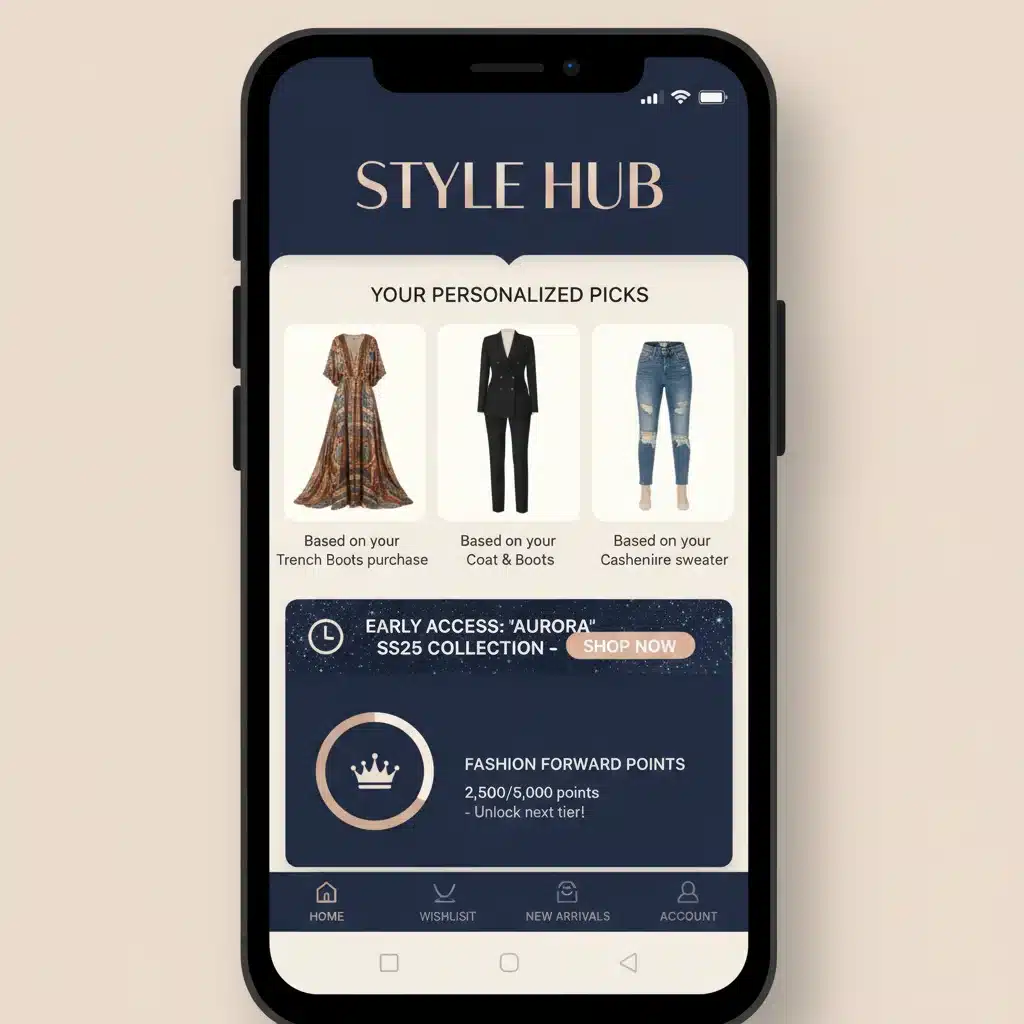
- AI-Driven Style Curations: Imagine a loyalty program that, based on your browsing history, purchase patterns, and even social media activity, curates entire outfits or capsule wardrobes tailored to your unique style profile and upcoming events.
- Exclusive Early Access: Loyal customers will receive early access not just to sales, but to new collections, limited-edition drops, and collaborations, often before they are publicly announced. This creates a sense of exclusivity and privilege.
- Birthday & Anniversary Surprises: Moving beyond generic discounts, brands will offer highly personalized gifts or experiences on special occasions, reflecting the shopper’s individual tastes and brand engagement.
- Tailored Content & Experiences: Loyalty members might receive invitations to virtual styling sessions, personalized trend reports, or workshops aligned with their specific interests (e.g., sustainable fashion, vintage finds, tailoring tips).
2. Experiential Rewards: The New Currency of Loyalty
While discounts will always have a place, the most coveted rewards in 2026 will be experiences. Fashion shoppers are increasingly valuing memorable moments and unique access over simple monetary savings. These experiences deepen the emotional bond with the brand and create lasting memories.
- VIP Events & Fashion Shows: Top-tier loyalty members could gain access to exclusive brand events, private viewing of new collections, or even front-row seats at fashion shows.
- Behind-the-Scenes Access: Opportunities to tour design studios, meet designers, or participate in product development focus groups offer unparalleled insights and a sense of belonging.
- Personal Styling Services: Complimentary or discounted sessions with professional stylists, either in-store or virtually, add significant value and help shoppers refine their personal style.
- Exclusive Brand Partnerships: Loyalty programs might offer access to partner experiences, such as luxury travel packages, high-end dining, or wellness retreats, curated to appeal to the brand’s demographic.
3. Community Building: Fostering a Sense of Belonging
Modern consumers, especially in fashion, seek connection. Fashion loyalty programs are evolving into platforms that facilitate community among like-minded individuals who share an affinity for the brand. This cultivates a sense of belonging and strengthens brand advocacy.
- Member-Only Forums & Groups: Private online communities where members can share styling tips, discuss trends, and interact directly with brand representatives.
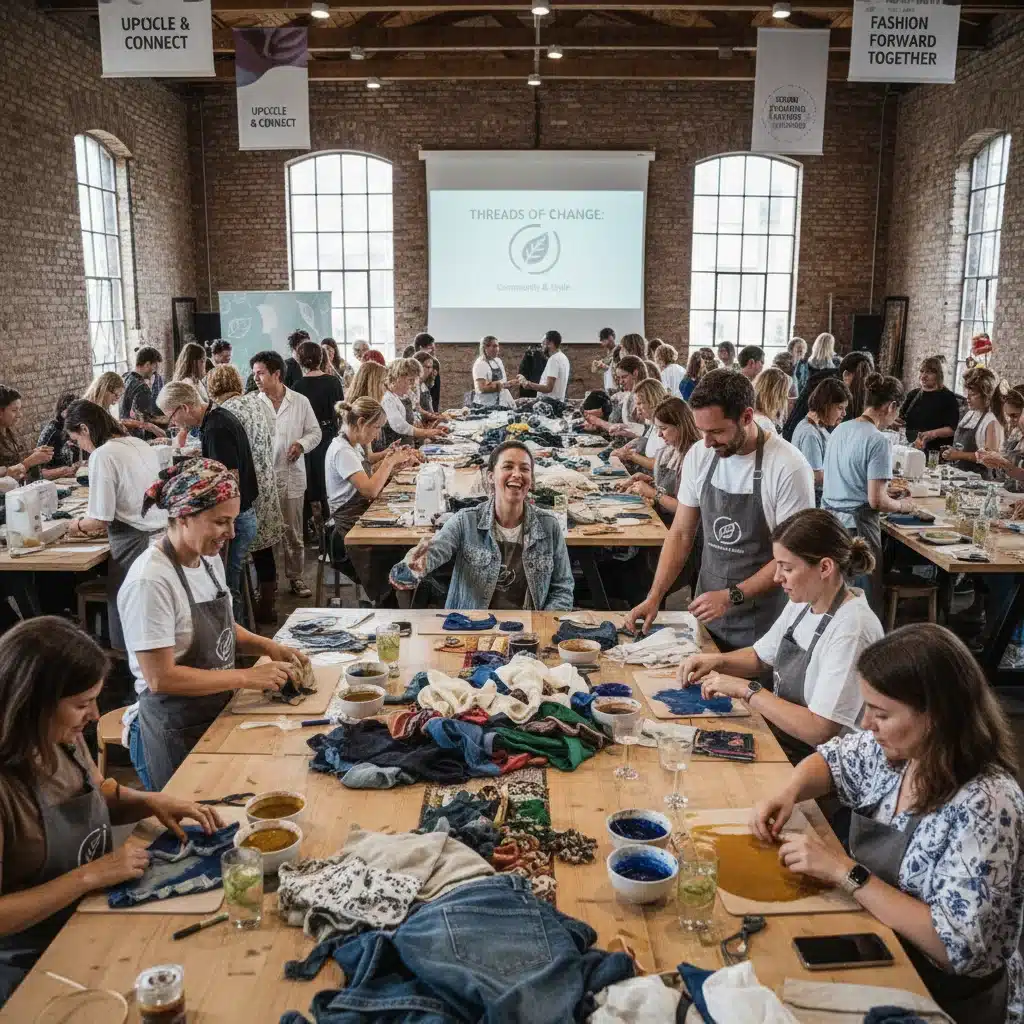
- Local Meet-ups & Workshops: Brands hosting in-person events like styling workshops, upcycling classes, or sustainability discussions, creating opportunities for members to connect.
- User-Generated Content Incentives: Rewarding members for sharing their style and brand experiences on social media, turning them into brand ambassadors.
- Referral Programs with Enhanced Rewards: Beyond simple discounts, rewarding members with exclusive experiences or higher loyalty tiers for successful referrals.
4. Sustainability & Ethical Incentives: Aligning with Values
For a growing segment of fashion shoppers, sustainability and ethical practices are non-negotiable. Future fashion loyalty programs will integrate these values, incentivizing responsible consumption and rewarding eco-conscious choices.
- Returns for Recycling Credits: Offering loyalty points or discounts for returning old garments for recycling or upcycling.
- Incentives for Sustainable Purchases: Earning bonus points for buying items made from recycled materials, organic cotton, or produced ethically.
- Donation Matching: Brands matching loyalty points with charitable donations to environmental or social causes, chosen by the member.
- Repair & Care Services: Providing complimentary or discounted repair services to extend the lifespan of garments, promoting a circular economy.
- Transparency & Traceability: Loyalty programs offering members exclusive access to detailed information about product origins, supply chains, and environmental impact.
5. Seamless Omnichannel Integration: A Unified Experience
The modern shopper moves fluidly between online and offline channels. By 2026, fashion loyalty programs will offer a truly seamless omnichannel experience, ensuring consistency and convenience across all touchpoints.
- Unified Member Profiles: A single profile that tracks all interactions, purchases, and preferences, whether online, in-store, or via mobile app.
- In-Store Digital Integration: Using QR codes or NFC technology for easy loyalty point accumulation and redemption in physical stores.
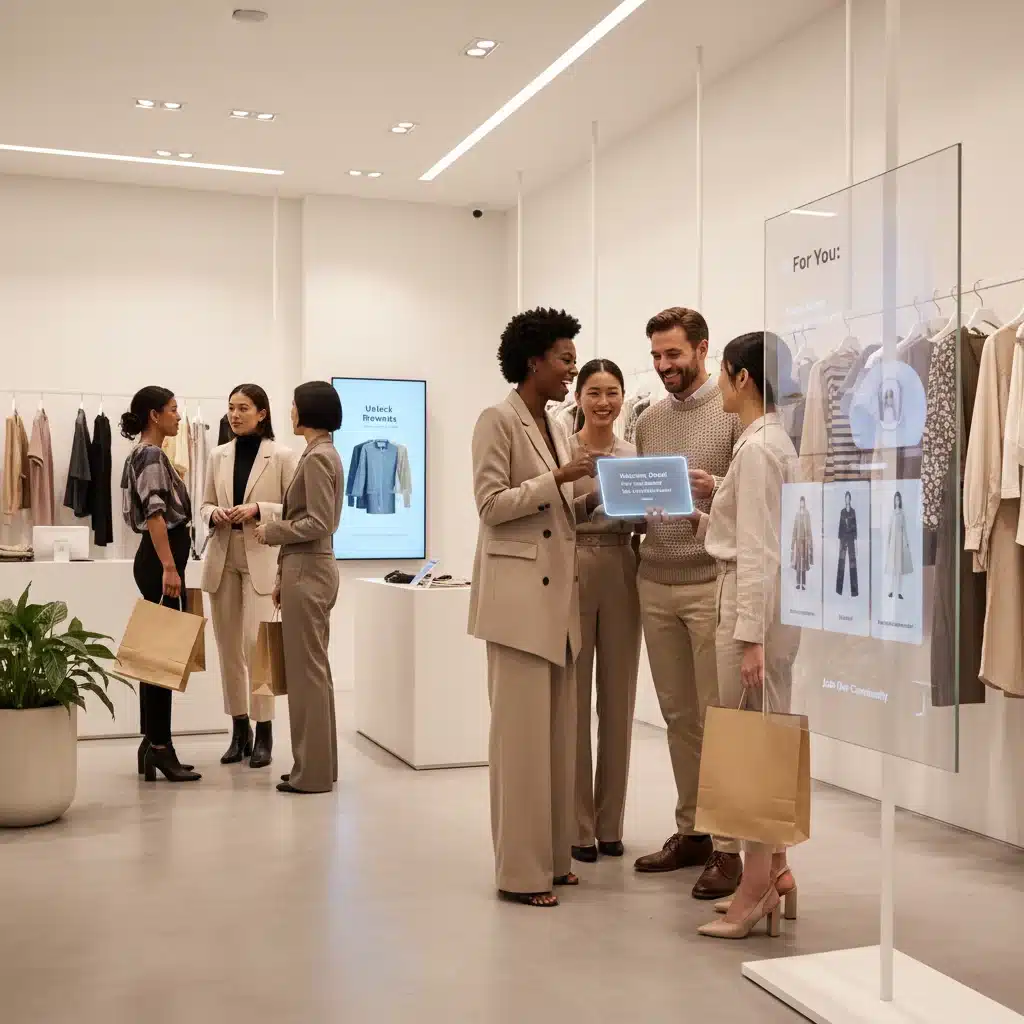
- Personalized In-Store Recommendations: Sales associates having access to a customer’s loyalty profile to offer tailored recommendations and styling advice.
- Click & Collect with Loyalty Perks: Offering bonus points or exclusive gifts for using click and collect services.
Challenges and Considerations for Fashion Brands
While the future of fashion loyalty programs is promising, brands will face several challenges in implementing these advanced strategies. Overcoming these hurdles will be crucial for success.
Data Privacy and Trust
As personalization becomes more sophisticated, so does the need for robust data privacy measures. Consumers are increasingly aware of their data rights. Brands must be transparent about data collection and usage, ensuring trust and compliance with regulations like GDPR and CCPA. Loyalty programs must clearly communicate the value exchange: what data is collected, how it’s used to enhance the experience, and how it’s protected.
Measuring ROI Beyond Sales
The traditional metrics of loyalty programs often focus on immediate sales uplift. However, with experiential and community-focused programs, ROI becomes more nuanced. Brands will need to develop new metrics to measure engagement, brand advocacy, customer lifetime value (CLTV), and emotional connection. This requires sophisticated analytics and a willingness to look beyond short-term revenue gains.
Operational Complexity
Implementing hyper-personalization, diverse experiential rewards, and seamless omnichannel integration requires significant investment in technology, infrastructure, and staff training. Brands must ensure their internal systems can support these complex programs and that their teams are equipped to deliver the enhanced customer experience.
Maintaining Exclusivity at Scale
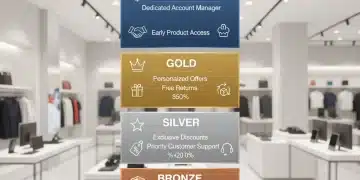
As loyalty programs grow, maintaining a sense of exclusivity and personalization can become challenging. Brands must find ways to scale their efforts without diluting the perceived value of their rewards. Tiered programs, dynamic segmentation, and AI-driven allocation of unique experiences can help manage this.
The Role of Technology in Shaping Future Loyalty
Technology is the backbone of next-generation fashion loyalty programs. Without advanced capabilities, the vision of hyper-personalization, seamless experiences, and data-driven insights would remain aspirational.
- Artificial Intelligence (AI) and Machine Learning (ML): These technologies are crucial for analyzing vast datasets to identify patterns, predict preferences, and automate personalized recommendations. AI will power everything from tailored product suggestions to dynamic pricing for loyal members and intelligent customer service bots.
- Blockchain Technology: While still emerging, blockchain could offer enhanced transparency and security for loyalty points and rewards. Imagine a decentralized loyalty system where points from different brands could potentially be exchanged or tracked more securely, offering greater flexibility to the consumer.
- Internet of Things (IoT): In-store IoT devices could recognize loyalty members upon entry, enabling personalized greetings, real-time product recommendations, and even smart fitting rooms that suggest complementary items based on a member’s profile.
- Virtual and Augmented Reality (VR/AR): VR could offer immersive virtual shopping experiences exclusive to loyalty members, while AR could provide virtual try-ons or interactive product information that enhances the shopping journey.
- Customer Relationship Management (CRM) Systems: Advanced CRM platforms integrated with loyalty program software are essential for managing customer data, tracking interactions, and enabling personalized communication across all channels.
The synergy of these technologies will allow brands to create a truly intelligent and responsive loyalty ecosystem, anticipating customer needs and delivering value proactively.
Case Studies: Brands Leading the Way (Hypothetical Examples for 2026)
To illustrate the potential of these new approaches, let’s imagine how some forward-thinking brands might implement their fashion loyalty programs in 2026:
“EcoChic Rewards” by Verdant Apparel
Verdant Apparel, a sustainable fashion brand, launches “EcoChic Rewards.” Members earn points not just for purchases, but for returning garments for recycling, participating in textile upcycling workshops, and choosing carbon-neutral shipping options. Top-tier members receive annual reports detailing their personal environmental impact reduction through their loyalty activities. Rewards include exclusive access to limited-edition collections made from innovative recycled materials, invitations to “farm-to-fabric” tours, and donations to environmental charities in their name.
“The Style Collective” by Lumina Luxe
Lumina Luxe, a high-end designer brand, introduces “The Style Collective.” This program focuses heavily on personalized styling and community. Each member is assigned a dedicated virtual stylist who provides curated recommendations and private video consultations. Members gain access to an exclusive online forum moderated by Lumina Luxe designers, where they can discuss trends and get sneak peeks of upcoming collections. Annual events include private trunk shows, “design-your-own-accessory” workshops, and invitations to intimate meet-and-greets with fashion influencers.
“Urban Threads Pass” by StreetVibe
StreetVibe, a popular streetwear brand, redefines its loyalty with the “Urban Threads Pass.” This program gamifies loyalty, offering members unique digital collectibles (NFTs) tied to their purchases and engagement. Members can unlock exclusive content like behind-the-scenes documentaries of collaborations with artists, early access to limited-edition sneaker drops, and invitations to underground music and art events sponsored by the brand. Points can be redeemed for personalized graffiti art commissions or bespoke customization services for their apparel.
The Future Outlook: Beyond 2026
The evolution of fashion loyalty programs won’t stop in 2026. As technology advances and consumer expectations continue to shift, we can anticipate even more innovative developments.
- Metaverse Integration: Loyalty programs extending into the metaverse, offering exclusive digital wearables, virtual experiences, and avatar customization options.
- Predictive Personalization: AI becoming so advanced that it can anticipate style shifts and recommend items even before a shopper realizes they want them.
- Hyper-Localized Rewards: Loyalty programs offering benefits tailored not just to individual preferences, but also to geographic location and local cultural events.
- Interoperable Loyalty: The possibility of loyalty points being transferable or usable across a network of non-competing fashion or lifestyle brands, offering unprecedented flexibility.
The ultimate goal remains the same: to build lasting, meaningful relationships with customers. By moving beyond transactional discounts and embracing personalization, experiences, community, and values, fashion loyalty programs are poised to become powerful engines of brand growth and customer satisfaction in the years to come.
Conclusion: Cultivating True Fashion Loyalty
The shift in fashion loyalty programs by 2026 marks a significant turning point in retail. It’s a recognition that modern shoppers seek more than just transactions; they desire authentic connections, unique experiences, and brands that align with their values. For fashion brands, this means moving beyond the simple 15% off and investing in sophisticated, data-driven, and human-centric loyalty strategies.
The successful fashion loyalty programs of the future will be those that master hyper-personalization, deliver unforgettable experiences, foster vibrant communities, champion sustainability, and offer seamless omnichannel integration. By embracing these pillars, brands can cultivate a level of loyalty that transcends fleeting trends and discounts, building enduring relationships that drive long-term success in the ever-evolving fashion landscape. For the discerning fashion shopper, this future promises a richer, more rewarding, and deeply personal journey with the brands they love.